
Beyond The Manual Chamber: A New Era In Rice Field Methane Measurement
If you were a researcher working in the paddy fields, you might have experienced this or heard of someone experiencing this – crouching over a white polycarbonate chamber, withdrawing syringe samples at timed intervals, and shipping them back for gas chromatography analysis.
The science behind the manual closed-chamber methodology is verified, but the operational burden is high, and data density is low. Capturing methane gas manually from rice plants allows for just a few flux estimates, and they are not sufficient to represent the overall emission trajectory across a growing season.
In recent years, Alternate Wetting and Drying (AWD) has transformed the way farmers manage water in irrigated rice and their methane emissions, but without accurate methane emissions measurement, developing a stable and sustainable rice production system is nothing but a dream.
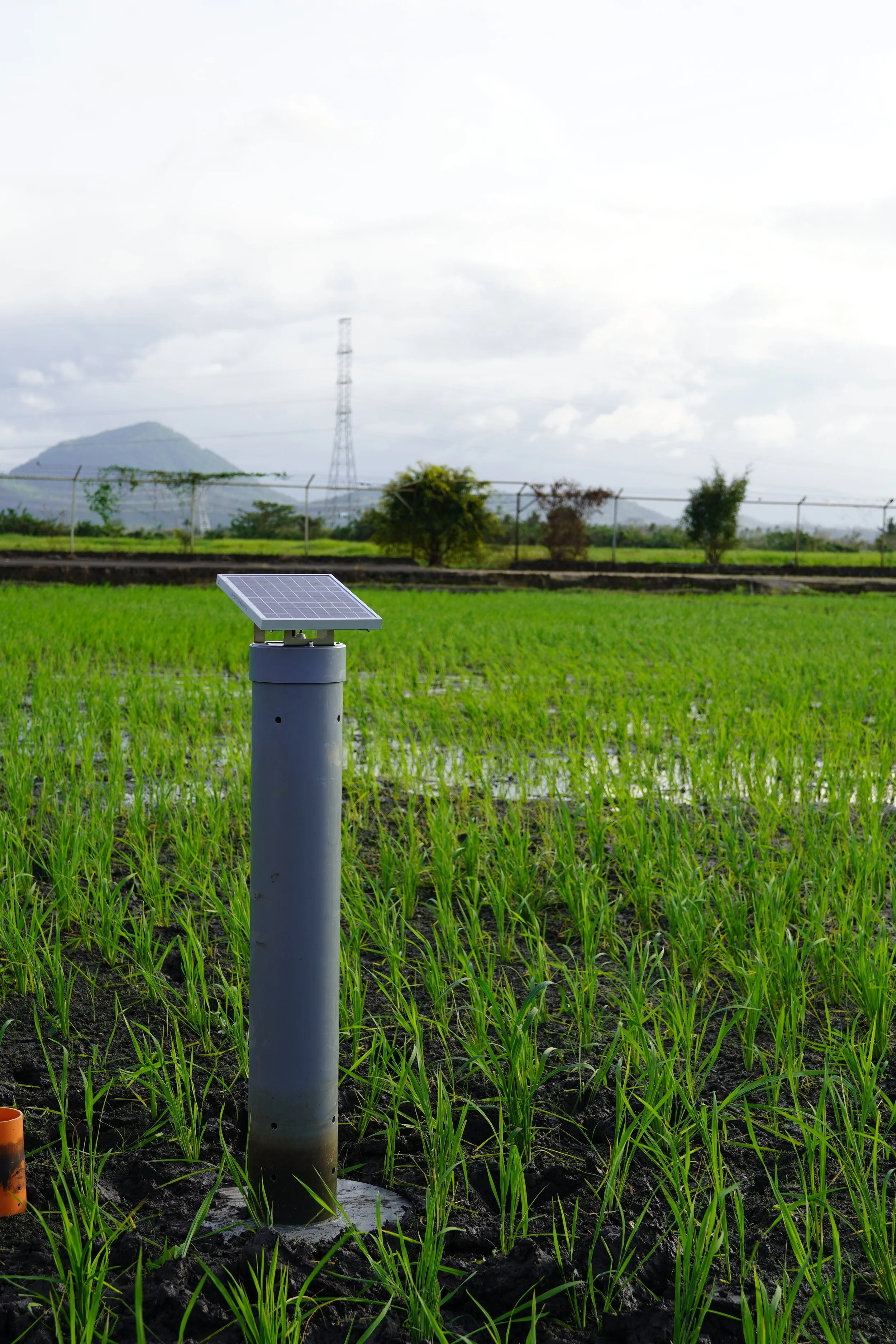
Fig 1. RYNAN’s AWD+ in the Philippines
The critical question to ask when developing any measurement, reporting, and verification (MRV) rice project is not whether methane was reduced. Rather, it is whether we can prove it continuously with a traceable and clear audit trail.
What Traditional Measurement Chambers Do Well And Fall Short Of
The contribution of the manual closed-chamber methodology to foundational research on paddy methane emissions has been immense. In fact, more than 90% of the existing published emission studies used this method [1]. As the method is direct, inexpensive, and does not require external power infrastructure, it remains the current most pragmatic choice.
However, when the directions of projects are redirected from being research-focused to commercialisation and industrialization, problems come in if the manual closed-chamber method is insisted on.
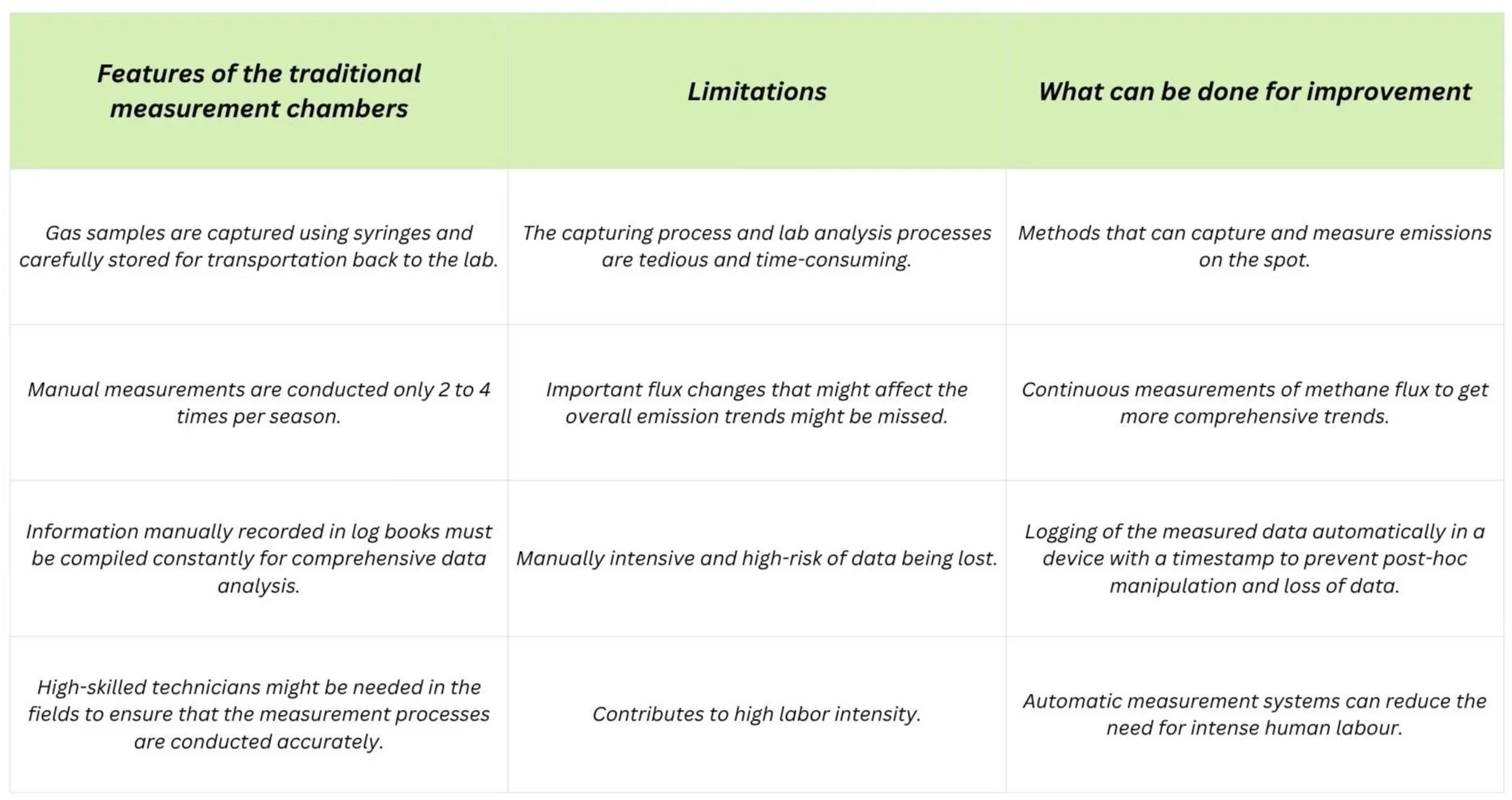
Table 1. Features of the traditional measurement method, its limitations, and areas for improvement
Bringing these improvements to life
By combining the improvements that can be made, an automatic closed chamber equipped with a sensor that continuously measures methane emissions can be achieved. The RYNAN MethanEYE system is built around a Tunable Diode Laser Absorption Spectroscopy (TDLAS) sensor, which is in the same class of technology used in high-precision atmospheric monitoring.
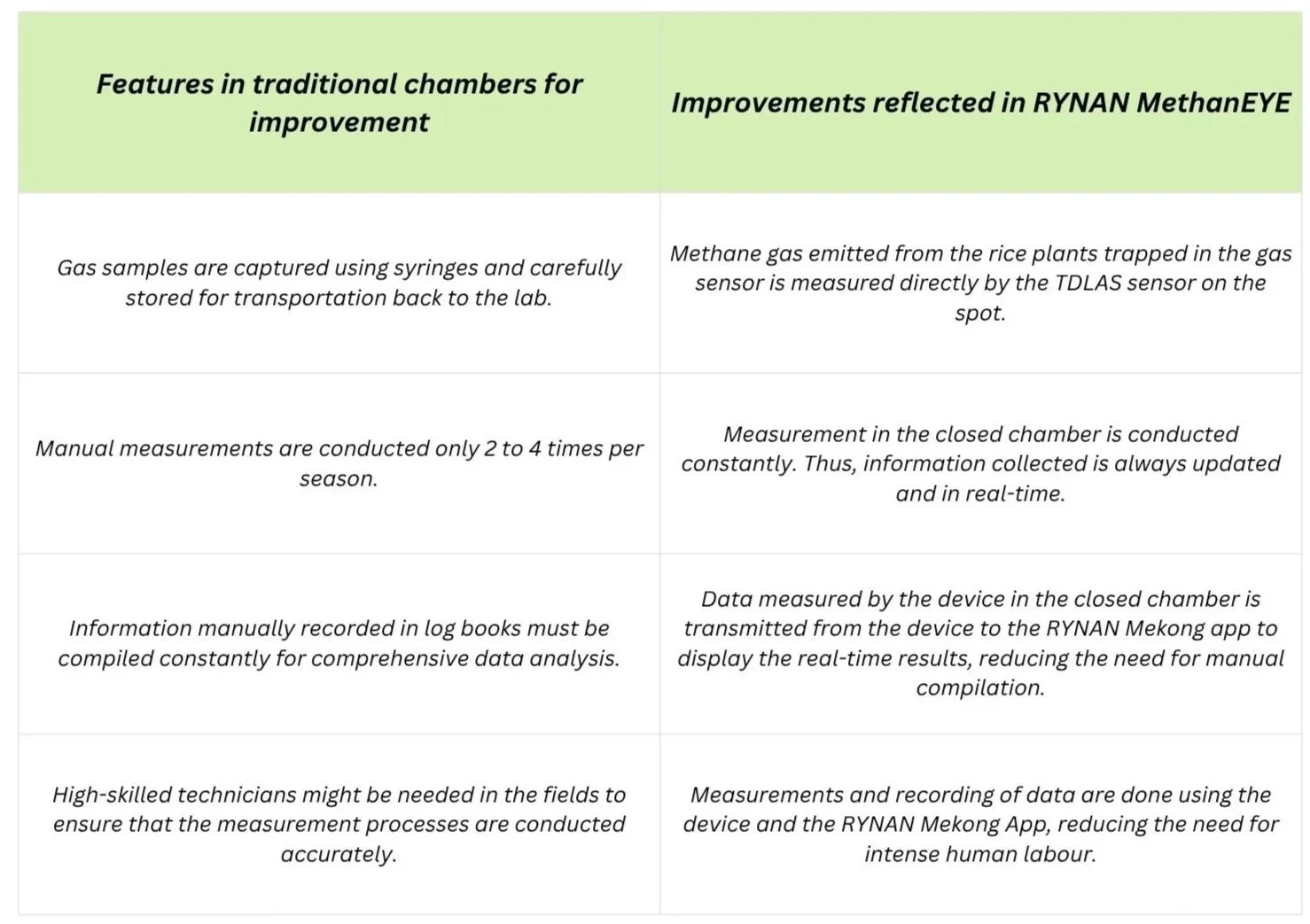
Table 2. Areas for improvement that are reflected in the RYNAN MethanEYE
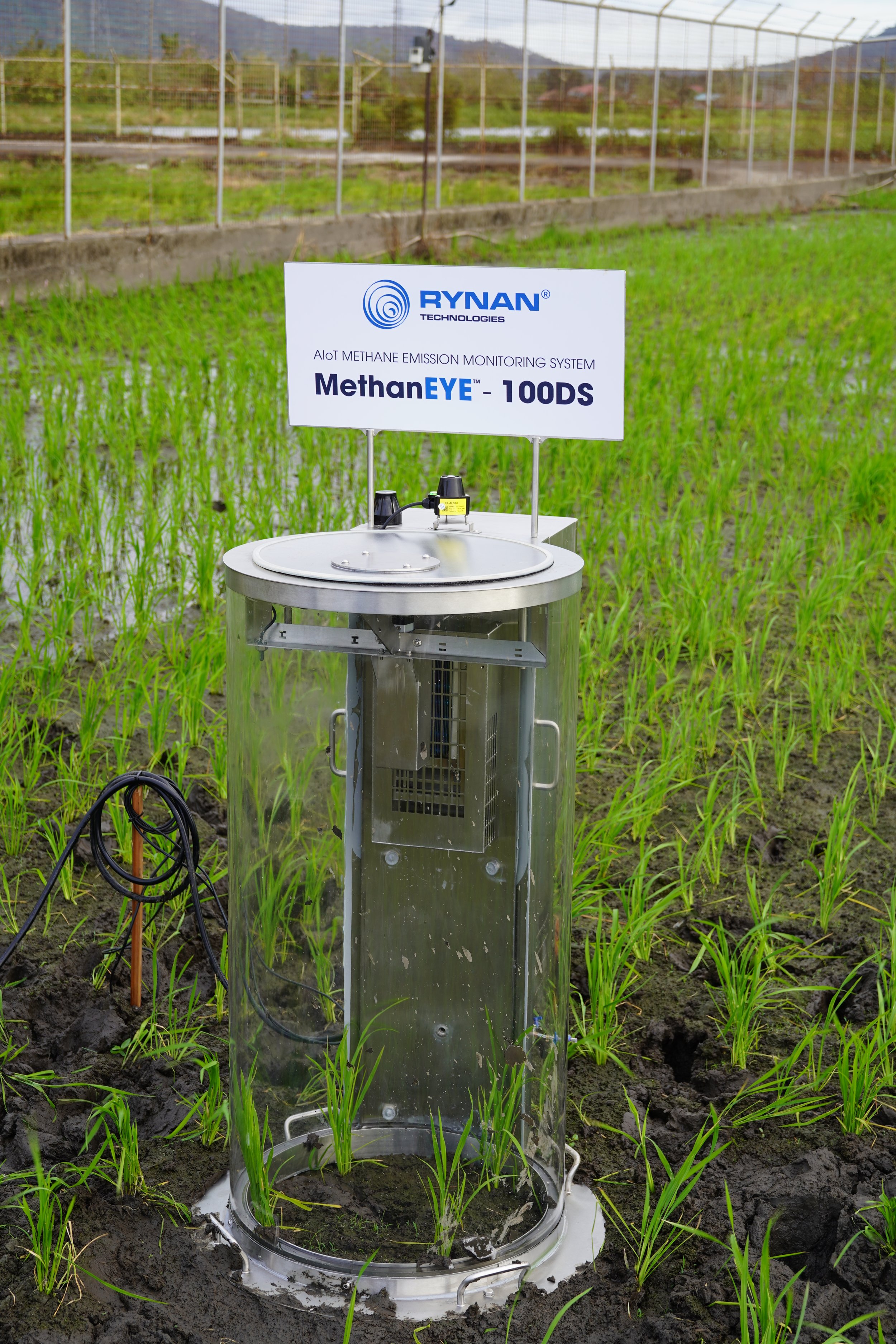
Fig 2. RYNAN’s MethanEYE
One might also ask this question: Is the closed-chamber system the same as the environment outside? Methane gas emissions are also affected by environmental conditions. Measurements in gas chambers should not vary too differently from those of the open environment in the rice fields to ensure accurate measurement.
Equipped with parts such as an air conditioner and methane-inert materials, the RYNAN MethanEYE chamber is engineered to create similar conditions to the rest of the paddy field. The TDLAS sensor’s low temperature sensitivity is an advantage in open tropical paddy environments where diurnal temperature swings can introduce bias in thermally sensitive sensors.
From Research Tools to MRV Infrastructure
The most consequential shift in paddy methane monitoring over the next decade will not only be methodological. It will also be commercial and institutional.
Carbon markets, national NDC accounting, and food-sector sustainability commitments are converging on a common demand: evidence. They need something that can be conducted on a large scale, but also continuous with independently verifiable emission records. It is with automated systems that they can achieve such results. As for researchers, the MethanEYE is not an entire replacement of the work that researchers are doing. It is meant to support scientific research, creating a system that allows research-grade emission insights to survive the distance from the research plots to the laboratories.
With rice fields that often span thousands of hectares, traditional methane measuring methods are limited in what they can do. Contact us today to find out more about our MethanEye.