
How Australian Agriculture is Benefitting from Drought-Resistant Crops
Drought conditions are no longer seasonal. To stay productive, farmers are turning to drought-resistant crops and data-driven tools that help them plan smarter, use water wisely, and protect their yields against climate volatility.
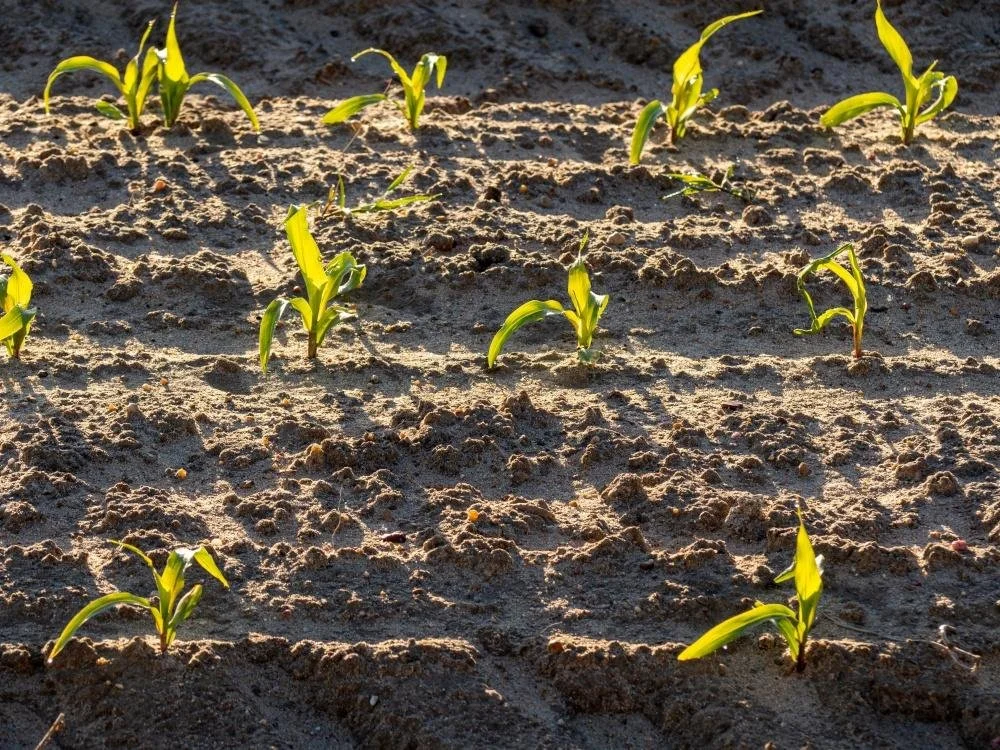
Modern agriculture relies heavily on a narrow group of high‑yield crops. Rice, wheat, and corn, for instance, currently make up nearly half of the world’s caloric intake. While efficient in favorable conditions, these crops are also highly vulnerable as monoculture practices leave them exposed to pests, diseases, and environmental stress. This has come at the cost of diversity, eroding the resilience that once came from cultivating a wider variety of plant species.
Australia’s agricultural sector is especially exposed. With climate change intensifying the frequency and severity of droughts, the country’s farmers are being pushed to the edge. Crop losses, poor soil health, and water scarcity have made the need for more sustainable and adaptive solutions urgent.
That’s where drought‑resistant crops are beginning to reshape the landscape.
Once overlooked, these climate‑resilient alternatives are making a comeback. Whether native to arid regions or bred for hardiness, they offer improved chances of survival during dry spells while helping stabilize yields. For Australian farmers, these crops are a crucial step toward rebuilding long‑term sustainability and food security in an increasingly volatile environment.
Why Drought-Resistant Crops Matter in Australia
Australia’s climate is becoming more erratic, and its agriculture is feeling the strain. For many regions, drought is no longer a seasonal inconvenience but a long-term environmental shift. This poses a serious challenge to food production, water access, and long-term sustainability across the country’s farms. This means that resilience is no longer optional.
Drought-resistant crops play a central role in this shift. With traits like deep root systems and efficient water usage, these crops are better equipped to withstand extended dry periods. They’re not just an emergency solution, but also becoming an essential tool for planning ahead. In fact, initiatives like the International Centre of Crop and Digital Agriculture are ramping up research into crop varieties that can thrive under harsh conditions, helping future-proof Australia’s food supply. As New South Wales' Minister for Agriculture noted, this work is vital to ensure that the industry can continue feeding Australians despite a challenging climate.
These challenges can be seen across Australia’s farmlands, where the effects of a warming, drying climate are already evident:
Persistent drought is reshaping the growing landscape: The ongoing lack of rain has disrupted entire planting cycles and forced shifts in crop selection.
Water scarcity is changing how land is used: With limited water, farmers are turning to crops that make better use of each drop.
Erratic weather is now a baseline risk, not an exception: Heatwaves and sudden rainfall are harder to predict, making planning more difficult.
Food supply chains are already under pressure: Delays in harvesting, like the six-month pineapple shortage back in 2022, highlight how fragile supply can become.
Science and technology are leading the response: Research into heat- and drought-tolerant crops is driving long-term solutions for sustainable agriculture.
What Are Drought-Resistant Crops?
Drought-resistant crops are specially adapted to survive and produce stable yields even when water is limited. Unlike conventional varieties, these crops are designed, through selective breeding or genetic enhancement, to perform well under heat and water stress, helping farmers maintain productivity amid increasingly erratic weather conditions.
Many of these crops are also bred to mature faster, reducing their exposure to dry spells during critical growth phases like flowering or grain filling.
Key traits of drought-resistant crops:
Deep root systems: Access moisture stored further underground.
Efficient water use: Reduce water loss through physiological adaptations.
Stress resilience: Maintain growth and cellular function in dry, hot climates.
Accelerated growth cycles: Mature earlier to avoid peak drought periods.
Benefits of Drought-Resistant Crops
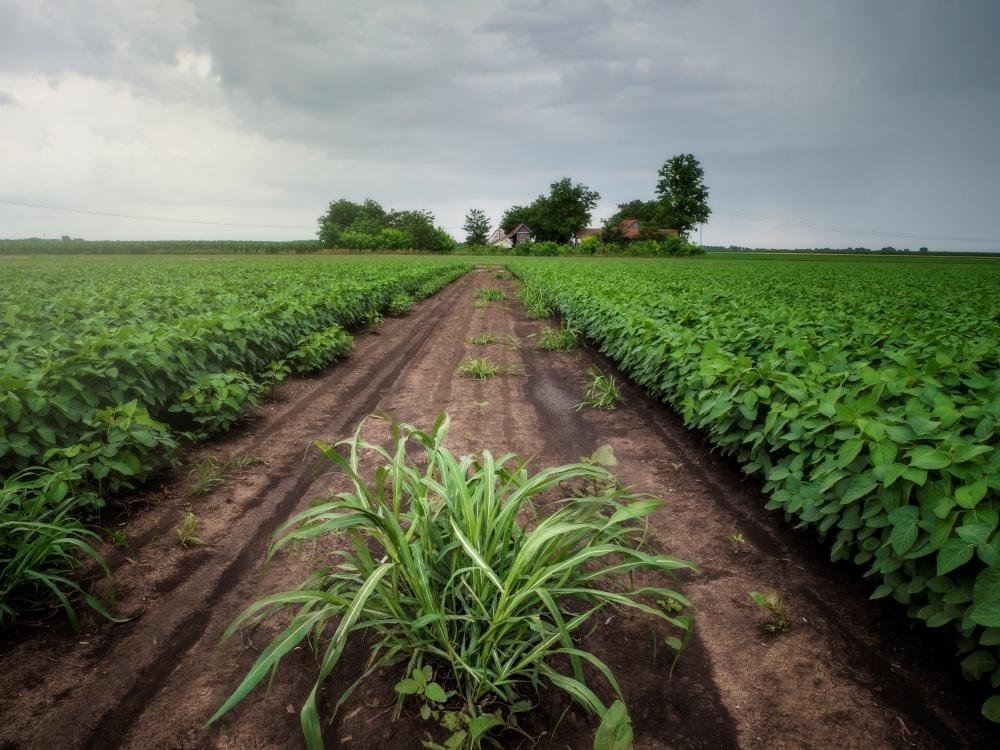
The benefits of drought-resistant crops go beyond survival. By improving how water is used, reducing crop losses, and supporting healthier soils, drought-resistant varieties offer farmers greater control over their land and livelihoods, even when conditions are far from ideal.
Water conservation: These crops are bred to thrive with less water, helping reduce reliance on irrigation and preserve vital freshwater sources.
Yield stability during drought: Rather than leaving yields to chance, these varieties help ensure that farmers can maintain production even through dry spells.
Financial security for farmers: With better tolerance to drought, crop failure becomes less likely, which helps farmers avoid income shocks and build more predictable revenue.
Benefits for the environment: Less water use means reduced pressure on natural ecosystems. In addition, these crops support better soil structure and reduce erosion, limiting the need for intensive chemical treatments.
Ensures sustainable farming practice: These varieties align with regenerative practices by supporting biodiversity, improving soil health, and reducing overdependence on synthetic inputs.
Enhanced food security: By stabilizing supply even under tough conditions, drought-resistant crops help ensure that communities, especially in remote and rural areas, have access to consistent, nutritious food sources.
The Role of Weather Intelligence in Supporting Drought-Resistant Farming
Drought-resistant crops offer several advantages, as mentioned above, but their full potential is only realized when paired with timely, accurate weather insights. After all, even the hardiest crop variety can underperform if planted at the wrong time or watered inefficiently. And as the weather becomes increasingly erratic across farming zones, relying on intuition alone is no longer enough.
This is where RYNAN’s smart, all-in-one, weather monitoring systems come in. Designed for precision agriculture, these weather stations for agriculture collect high-resolution data on temperature, humidity, rainfall, wind speed, and vapor pressure deficit directly from the field. Farmers gain access to real-time environmental updates and historical trends that guide irrigation scheduling, fertilizer application, and planting decisions.
When integrated into daily operations, this level of visibility helps reduce guesswork and resource wastage. Irrigation can be fine-tuned to match actual soil and climate conditions, rather than based on fixed routines. Fertilizer use can be adjusted to avoid loss from unexpected rain. And planting cycles can be shifted to align with localized forecasts instead of outdated seasonal norms.
Therefore, by combining drought-resilient crops with on-farm weather intelligence, growers can close the gap between potential and performance.
Adapting to a Changing Climate: A Holistic Approach
Today’s droughts are longer, harsher, and more frequent. For farmers, this means rethinking what to grow, when to grow it, and how to manage increasingly limited resources. While there’s no one-size-fits-all answer, combining resilient crops with intelligent farming tools offers a more grounded way forward.
But the selection of the most drought-resistant crop that can be planted in dry places alone won’t close the gap. To get the most out of each planting cycle, farmers need real-time environmental insights. That’s where integrated agricultural solutions become critical. With on-farm weather monitoring, growers can make data-backed decisions. When paired with hardy crops, this synergy helps reduce waste, improve productivity, and support long-term land health.