
Smart Farming with Agriculture Sensors: Enhancing Efficiency and Sustainability
Smart agriculture sensors are becoming essential tools for farmers seeking higher efficiency and long-term sustainability. By turning real field conditions into clear, actionable data, these technologies allow growers to respond quicker, reduce uncertainty, and manage resources with greater precision across every season.
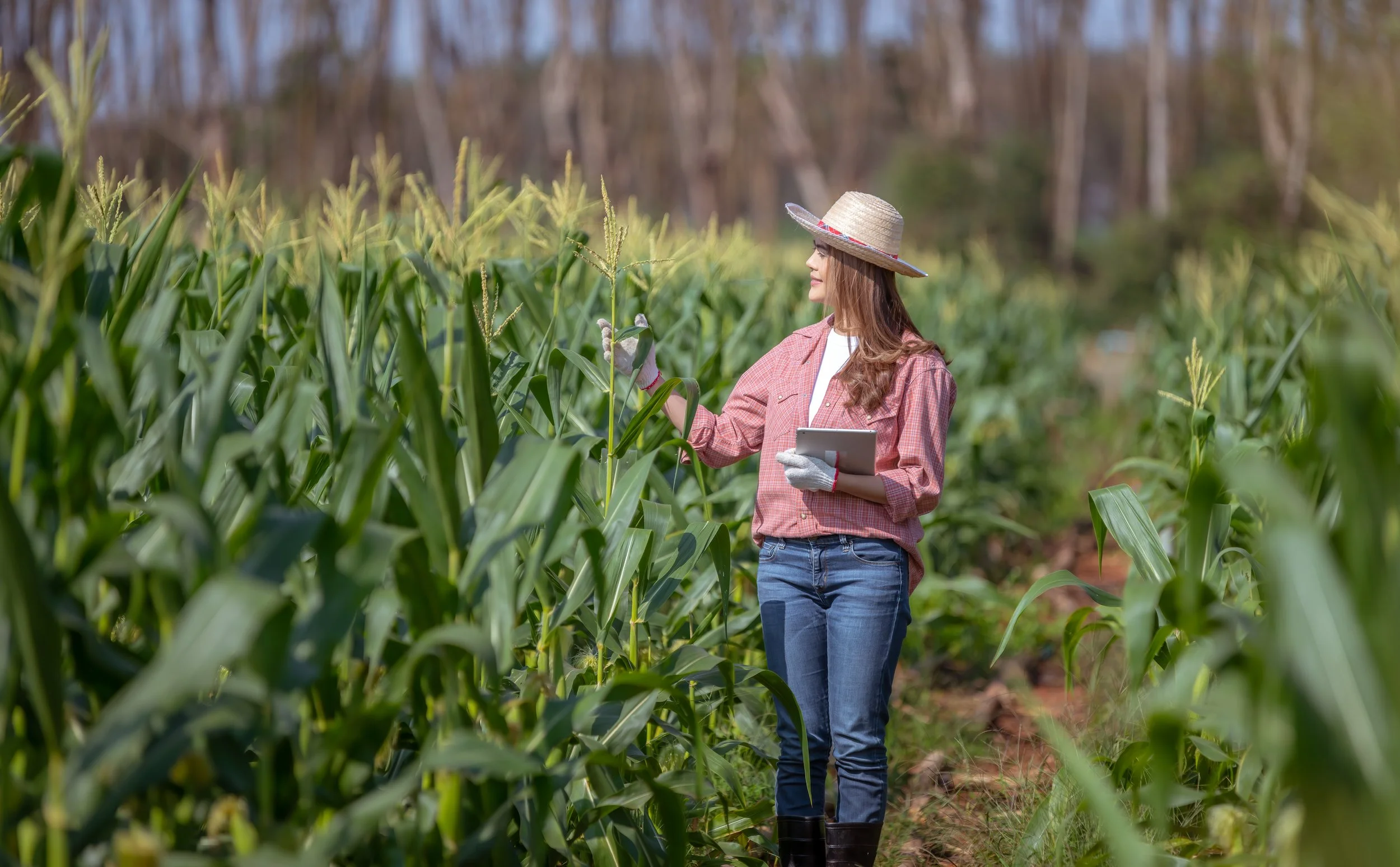
Agricultural sensors are redefining how farms operate. By delivering real-time insights into soil conditions, crop health, and more, these systems help farmers make timely and informed decisions, all without guesswork. This shift towards data-driven agriculture is not just about convenience. It’s about improving yield, reducing resource waste, and building resilience in the face of climate and environmental change.
At the core of this transformation is precision agriculture, where field data, collected through sensor networks, is used to fine-tune every input from irrigation to fertilizer. The result is a more resilient farming system where crops grow under better-controlled conditions and resources are used more efficiently.
With smart farming sensors supporting daily operations, growers can thus strengthen crop performance while moving toward a more sustainable and future-ready model of agriculture.
What Are Agricultural Sensors?
Agricultural sensors are digital tools that track what is happening in the field with far greater accuracy than traditional observation. These smart devices continuously monitor variables across soil, plant health, water conditions, and local weather, then translate these changes into actionable data points that help farmers make informed decisions with greater accuracy and speed. Instead of relying on assumptions or broad seasonal trends, farmers can view the real-time data and exact conditions affecting their crops at any moment. This shift is critical as climate patterns become less predictable and resource efficiency becomes central to long-term farm viability.
Installed across different zones in the field, agricultural sensors work by detecting physical or chemical changes in the environment, converting the data into insights that can be accessed through digital dashboards, automated systems, or integrated with other agtech platforms. These sensors typically operate using a simple process:
They detect physical or chemical changes in the environment, such as moisture, temperature, nutrient levels, or atmospheric conditions.
These changes are converted into electrical signals that represent the real-time status of the field.
The signals are transmitted to a central system or farm management platform for immediate interpretation.
Farmers or automated tools then adjust irrigation, fertilization, or fieldwork based on what the data shows rather than on fixed schedules.
By integrating these data streams, growers can apply water, fertilizers, and labor only when needed, reducing waste and avoiding the hidden costs of overuse. Sensors also help detect potential shifts in crop stress or environmental risk, giving farmers the chance to respond before losses occur. In this way, data-driven decisions support higher productivity, better crop health, and more sustainable resource use across the entire operation.
Common Types of Agricultural Sensors
From monitoring subtle shifts in the climate to detecting real-time changes in crop or soil conditions, sensors provide the granular insights farmers need to respond quickly. Among the most widely used are temperature sensors, humidity sensors, and soil nutrient detection sensors, each serving a distinct role in building a smarter, more sustainable farm system.
1. Temperature and Humidity Sensors
Temperature and humidity sensors play a central role in managing the growing environment, whether crops are raised in open fields or tightly controlled greenhouses. These sensors track shifts in air temperature and moisture levels with precision, giving farmers the clarity they need to maintain conditions that support steady crop development. After all, even the slightest changes in heat or humidity can influence plant stress, disease pressure, or flowering cycles, so having accurate readings becomes vital for day-to-day decisions.
RYNAN integrates these sensors into our advanced farm weather stations for agriculture that provide reliable, location-specific climate data. Built with high-quality components, the system measures temperature, humidity, rainfall, wind patterns, solar radiation, and vapor pressure deficit with accuracy.
This combination of data helps farmers see how conditions evolve throughout the day and how microclimates form across different parts of the field. And with consistent monitoring, growers can identify periods of heat buildup, anticipate humidity-related disease risks, and adjust irrigation or ventilation before crops are affected.
2. Barometric Pressure Sensors
Barometric pressure sensors help farmers track shifts in atmospheric pressure that often signal changes in upcoming weather. These measurements allow growers to anticipate conditions that may put crops at risk, such as strong winds, heavy rain, or sudden drops in temperature. With clearer visibility into how the weather is likely to shift, farmers can plan ahead and adjust fieldwork before unfavorable conditions arrive.
RYNAN’s weather monitoring stations integrate high-precision sensors that detect these changes in real time. When wind speeds and the like begin to change, farmers receive real-time indicators that severe weather may develop. This gives them time to harvest mature crops, reinforce vulnerable areas, or delay sensitive tasks that could be impacted by strong winds or rain. The station also tracks wind direction with accuracy, guiding decisions on spraying, pollination, and field operations to reduce crop damage and improve timing.
3. Rain Gauges
Rain gauges measure the amount and frequency of precipitation across a farm, giving growers a reliable view of how much natural water is reaching their fields. This information is critical for irrigation planning, especially in regions where rainfall varies widely throughout the year. With accurate rainfall data, farmers can avoid unnecessary watering, protect crops from waterlogging, and conserve limited water resources. And when paired with soil moisture sensors, farmers gain a more complete picture of water availability in the field.
RYNAN’s smart weather station, for instance, uses high-quality sensors to capture rainfall depth and intensity in real time so that growers can reduce irrigation costs, maintain healthier soil conditions, and make smarter decisions about when and how much to irrigate.
4. Soil Monitoring Sensors
Soil monitoring sensors give farmers a clear view of what is happening below the surface, where many early signs of crop stress or long-term degradation begin. These sensors track key soil parameters that influence plant growth, including moisture levels.
RYNAN’s soil monitoring device expands this capability by also measuring nutrient quality and salinity shifts. With access to data on pH, electrical conductivity (EC), temperature, and NPK levels through the MEKONG App, farmers can manage fertilizer use with greater precision. This reduces nutrient leaching, lowers input costs, and supports cleaner waterways. It also helps identify early signs of saline intrusion, an issue affecting many coastal farming areas as sea levels rise.
Benefits of Using Agricultural Sensors
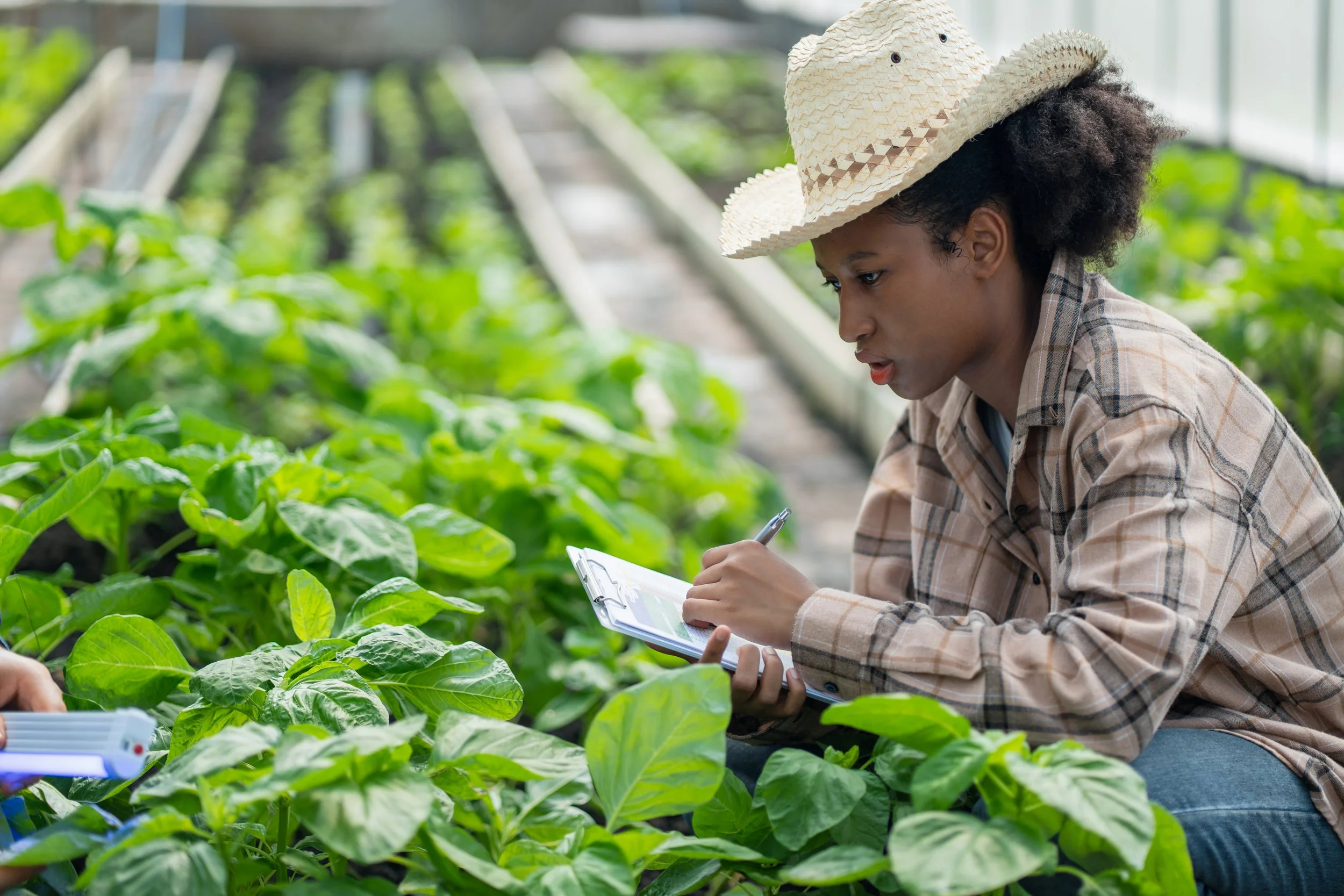
As these sensors work together across the field, they create a clearer picture of what crops need at any moment. With real-time measurements guiding irrigation, fertilizer use, and crop protection, it can support stronger crop performance and a more sustainable way of managing land and resources.
1. Optimized Irrigation Management
Irrigation works best when it follows actual field needs rather than fixed schedules. Sensors help achieve this by measuring soil moisture, climate conditions, and recent rainfall with precision. With this information, farmers can apply water at the right moment and in the right amount, supporting balanced root development while avoiding waste.
Techniques like alternate wetting and drying become easier to manage because farmers have a clearer understanding of when the soil has reached safe thresholds for drying and when rewatering is necessary. This creates a more consistent growing environment while reducing the risk of waterlogging or stress.
2. Pest and Disease Monitoring
Pest and disease outbreaks often develop under specific environmental conditions, and sensors help detect those conditions before problems spread. By tracking temperature, humidity, and air pressure in real time, farmers can identify periods that favor pest activity or disease development. This early awareness allows growers to target interventions with better timing and avoid unnecessary chemical use.
When integrated with devices such as pest monitoring tools, environmental sensors help create a clearer picture of risk zones across the field. This makes it possible to limit spraying to areas where pressure is genuinely rising, lowering pesticide costs and reducing chemical exposure for surrounding ecosystems.
3. Improved Crop Growth Efficiency
Sensors that monitor light, temperature, and microclimate conditions help farmers fine-tune the environment that crops grow in. For instance, when farmers know how much light reaches the canopy, how quickly temperatures fluctuate, or when humidity levels start to rise, they can adjust shading, irrigation, or ventilation before stress affects growth.
Soil related measurements further strengthen this process. By tracking indicators such as dissolved oxygen, pH, electrical conductivity, and nutrient levels, growers can understand how well the soil supports root activity. This makes it easier to adjust fertilizer schedules and correct imbalances early, helping crops grow more uniformly and with better quality.
4. Promoting Sustainable Agriculture
Sustainability in farming depends on using land, water, and nutrients with precision, and agricultural sensors support that by giving farmers a clearer understanding of how their fields function. With real-time insights guiding decisions, farmers can minimize runoff, reduce excess irrigation, and avoid practices that degrade the land. This lowers the environmental footprint of daily operations and supports healthier soils over time.
The Future of Farming with Sensor Technology
Smart agriculture sensors are shaping a future where farming decisions are clearer, faster, and grounded in reliable data. As operations shift from labor heavy routines to connected, IoT driven systems, growers gain a stronger understanding of how their land is changing throughout the season.
RYNAN Smart Agriculture continues to drive this transition with sensor-based technologies built for real farm challenges. From weather-linked insights to soil nutrient tracking, our tools help farmers make decisions with confidence. Explore how RYNAN’s agrictech solutions can support smarter, more resilient farming and bring measurable clarity to your day-to-day operations.