
How to Increase Crop Yields with Technology
Increasing crop yields has become more challenging as farms face unpredictable weather, resource pressure, and declining soil health. Technology helps bridge these gaps by giving farmers clearer visibility into real-time field conditions.
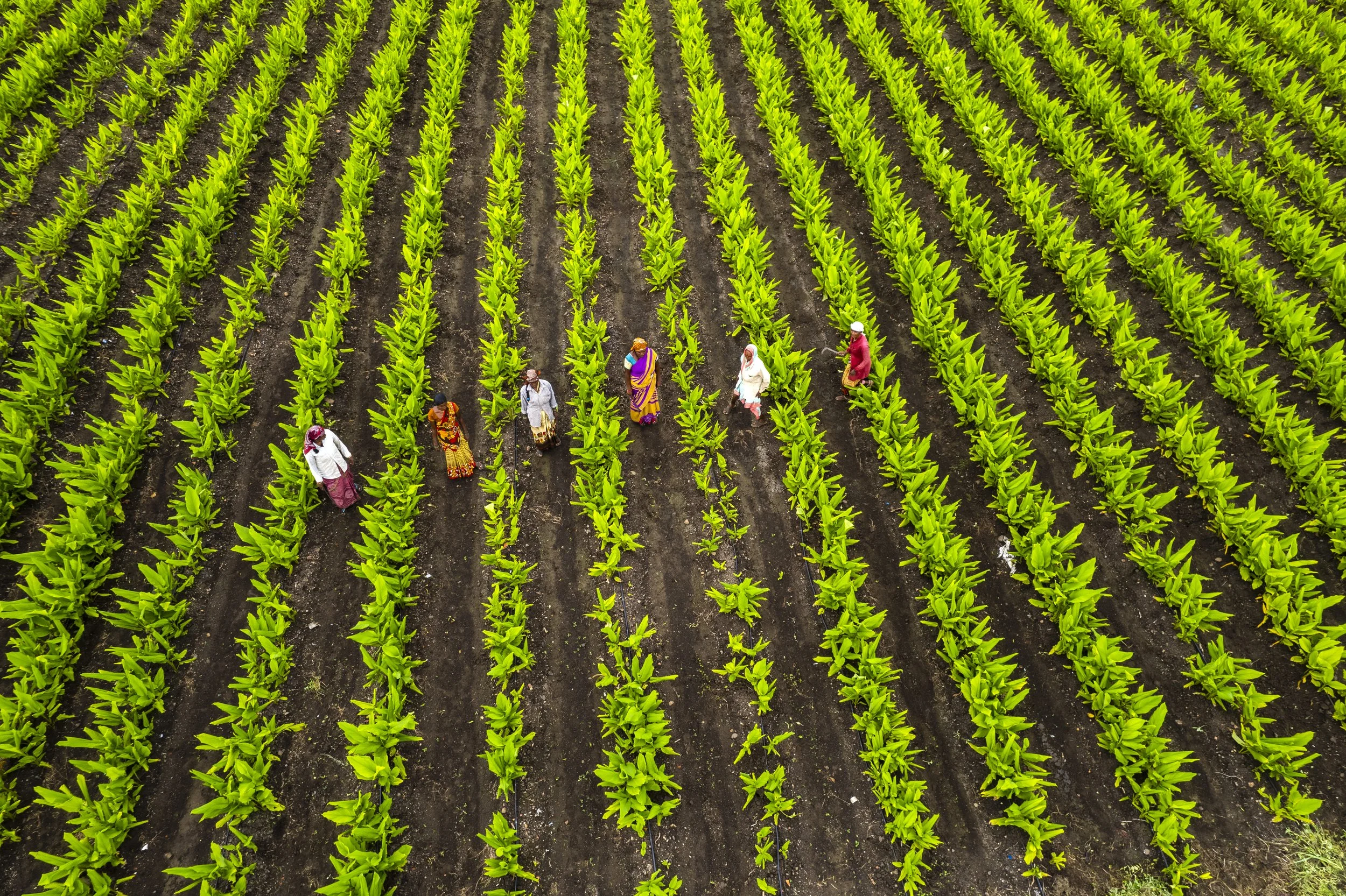
Food production is reaching a critical point as rising demand, resource pressure, and climate disruptions strain the way farms operate. Traditional methods that once supported stable harvests are now limited by degraded soils, unpredictable rainfall, and rising temperatures. These pressures make it harder for farmers to maintain consistent yields, especially when decisions must be made quickly and with little real-time information.
Technology offers a way forward by giving farmers clearer visibility into what is happening across their fields.
Modern agritech systems collect data on soil, weather, and crop conditions, helping farmers respond with greater accuracy and reduce the uncertainty that often leads to losses. Plus, tools such as sensors, digital platforms, and automated monitoring simplify daily tasks and replace reactive guesswork with timely insights. As these technologies become part of regular operations, farms can use inputs more carefully, protect their land, and build a stronger foundation for sustainable, high-yield farming in a changing climate.
Why We Need Technology in Agriculture
Agriculture is under growing pressure to produce more food with fewer resources, and the gap between demand and supply is widening. Plus, with global population growth, climate uncertainty, and long-term soil degradation, heavier demands are being placed on farms of every size.
Agritech provides farmers with tools that increase precision, improve timing, and reduce the strain created by the aforementioned unpredictable conditions. It applies digital innovation to core farming activities so growers can manage land, water, and inputs with greater clarity and care.
Agritech is becoming essential for several reasons:
Rising population and food demand: According to the World Economic Forum, the global population has surpassed 8.2 billion, and food requirements continue to climb. Smallholder farms produce 29% of the world’s crops, yet many operate with limited access to technology. To meet future demand, farms need tools that increase crop production while reducing costs and resource use.
Climate change and unstable growing conditions: Agriculture is the second largest emitter of greenhouse gases and uses 70% of the world’s freshwater withdrawals, according to the World Economic Forum. These pressures are magnified by climate-driven events such as El Niño, which disrupt rainfall patterns, raise temperatures, and contribute to yield loss. In addition, over half of agricultural land is already degraded, causing an estimated 400 billion dollars in productivity losses each year. Technology helps farmers adapt by giving them real-time visibility into shifting conditions and allowing them to make timely adjustments.
Limitations of traditional, uniform farming practices: Conventional methods often apply water, fertilizer, and pesticides evenly across entire fields, which increases waste and heightens environmental impact. With data-driven systems, farmers can target the specific areas that need attention and avoid unnecessary inputs. This approach supports higher crop yields, lowers water and chemical use, decreases runoff into rivers and groundwater, and creates safer working environments.
Increasing need for precise monitoring and decision making: Sensors, weather monitoring tools, and analytics platforms help farmers identify changes early, whether related to soil moisture, nutrient shifts, or pest pressure. These technologies streamline field operations, strengthen worker safety, and support safer food production. They also help optimize planting, irrigation, and harvesting schedules so farmers can reduce costs while maintaining consistent output.
From the above, it is clear that as conditions become less predictable, agritech provides the data and insight farmers need to protect their land and secure reliable yields.
Key Ways Technology Boosts Crop Yields
Technology gives growers a clearer understanding of what their fields need at each stage of the season with data guiding daily decisions, so that they can adjust irrigation, protection, and fieldwork with greater accuracy. These tools strengthen crop performance, reduce unnecessary input use, and support a more resilient approach to meeting rising food demand through:
1. Crop Monitoring with Smart Tools
Monitoring crops consistently gives farmers a clearer view of what is happening in the field, which helps prevent small issues from turning into significant yield losses. Smart tools now make this process continuous, offering real-time updates on crop development, soil conditions, and early signs of stress so farmers can adjust their inputs with accuracy.
Digital platforms bring these insights together by tracking growth trends, comparing current conditions with past seasons, and predicting yields based on live data. By combining moisture readings, and temperature patterns, they reveal specific zones that require attention instead of treating the entire field uniformly. This helps growers direct water, nutrients, and labor only where they are needed, reducing waste while strengthening crop performance.
Pest monitoring is another area where technology plays a critical role. Modern pest monitoring systems provide early alerts by detecting population changes and identifying environmental conditions that may trigger outbreaks. With this information, farmers can respond at the right moment, minimize unnecessary pesticide use, and maintain healthier crop environments.
2. Weather Monitoring
Weather remains one of the most influential drivers of crop performance, yet it is also one of the least predictable. Traditional forecasts rely heavily on historical trends, which are becoming less reliable as climate patterns shift. Sudden storms, dry spells, and temperature swings can happen without warning, disrupting planting schedules, irrigation plans, and harvest timing.
Technology helps fill this gap by providing localized, real-time weather monitoring tailored to the needs of growers. Take RYNAN's modern weather monitor for farms as an example. It delivers updates and tracks key parameters such as rainfall, humidity, temperature, and wind patterns for specific farm locations, giving farmers far more accurate information than broad regional forecasts.
With reliable updates, growers can adjust irrigation, delay sensitive fieldwork, protect vulnerable crops, and anticipate stress conditions before they escalate. These tools also help manage long-term planning, such as choosing planting dates based on expected rainfall or preparing fields ahead of extreme heat.
3. Field Productivity Zoning
Field productivity zoning helps farmers understand how different parts of their land perform so they can adjust their practices instead of treating every area the same. Traditionally, this was done through manual checks of soil texture, plant vigor, and past yields, but these methods offered limited accuracy and were difficult to maintain as conditions changed.
Technology has strengthened this process by using mapping tools and long-term field data to divide land into high, medium, and low productivity zones. These platforms track variations in soil health, moisture retention, and vegetation patterns, allowing growers to see where resources are being used efficiently and where adjustments are needed.
4. Crop Protection & Rotation
Crop protection and rotation remain fundamental to healthy farming systems, but technology has reshaped how these practices are planned and executed. Instead of relying on visual checks or routine schedules, growers now have access to data that shows when their crops are under stress and which areas of the field require attention.
Analytics tools analyze temperature, humidity, soil conditions, and historical outbreaks to highlight periods where crops are more vulnerable to disease or stress. This allows growers to prepare early interventions that reduce chemical use and prevent widespread damage. Technologies such as ground-based sensors also capture early signs of stress that are not visible from the ground, allowing farmers to respond before problems spread.
Rotation planning benefits from the same level of precision. By reviewing soil nutrient trends, historical yield data, and moisture variations, farmers can choose crop sequences that rebuild soil structure and reduce pressure from pests and weeds. This moves rotation from a routine practice to a strategic decision informed by actual field behavior.
5. Pest Management
Pest management continues to be one of the most challenging parts of farming as pest populations adapt quickly to changing environments. To maintain stable yields, farmers need accurate information about when pests appear, how quickly they are spreading, and which areas are at greatest risk.
AI-supported tools like RYNAN's InSENTINEL are playing a growing role in this process. This is because high-resolution imaging and machine learning models can identify pest species from live field data, allowing growers to apply pesticides only where needed. This reduces chemical use, lowers costs, and minimizes environmental impact.
Some systems also monitor movement patterns and population changes through sensors placed across the field. By detecting early signs of pest pressure, farmers can time their spraying more precisely and prevent outbreaks before they escalate. This targeted approach maintains crop health without relying on frequent blanket applications.
RYNAN Smart Agriculture’s Technology That Helps with Crop Monitoring
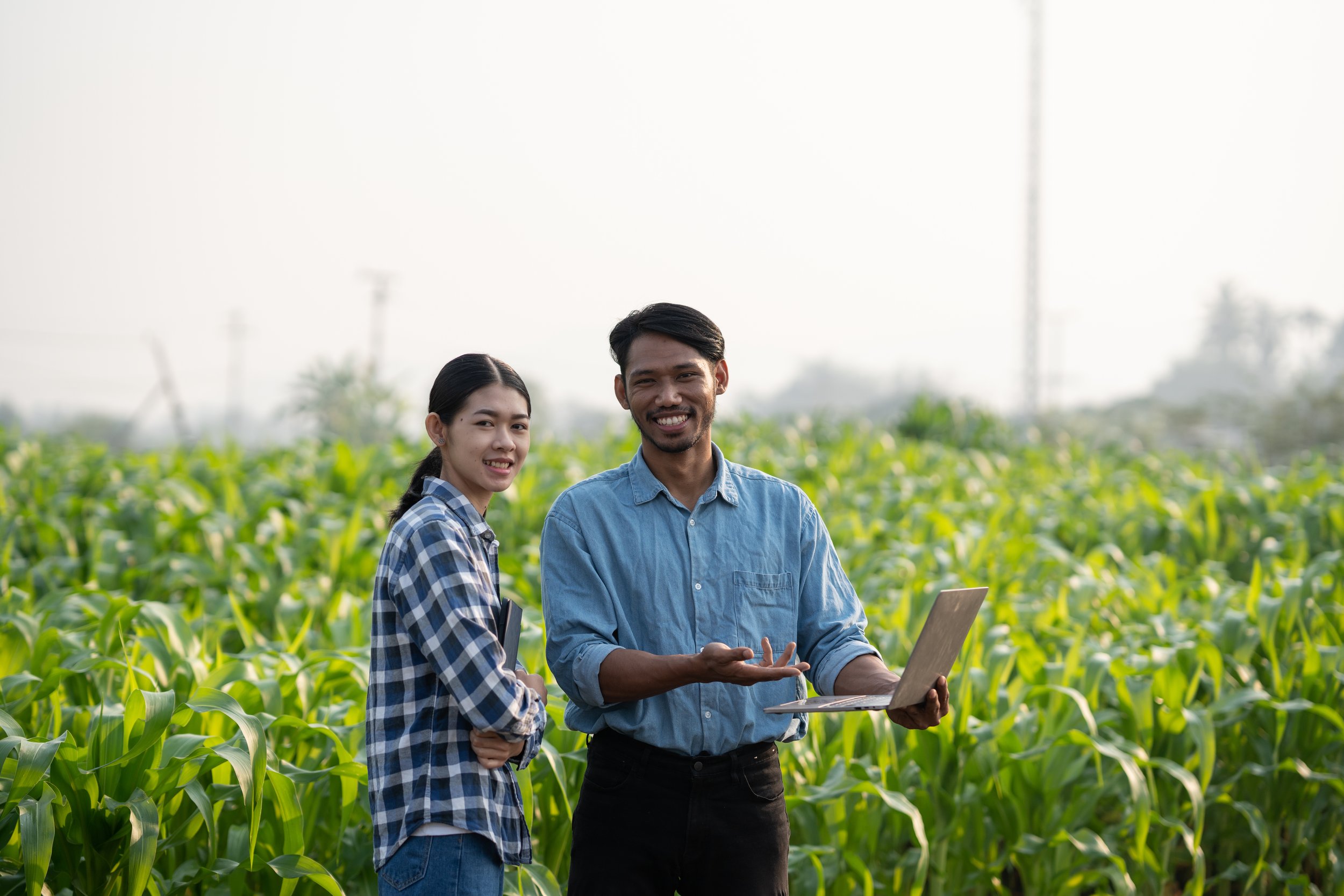
So, how can you improve crop yield with technology?
Stronger crop monitoring begins with reliable data, and RYNAN Smart Agriculture designs tools and agricultural solutions that turn field conditions into actionable insights. These technologies support agricultural practices that increase crop yields by helping farmers see changes early, adjust inputs with better timing, and increase crop production through accurate data.
RYNAN’s All-in-One Weather Station: This weather monitoring station provides localized monitoring with industrial-grade sensors that track temperature, humidity, rainfall, wind patterns, solar radiation, and vapor pressure deficit. Farmers gain clearer visibility over shifting conditions, allowing them to plan irrigation, spraying, and harvesting with greater confidence while supporting long-term water efficiency.
RYNAN Methane Emissions Smart Monitoring System: Built for rice cultivation, this system measures methane emissions directly in the field and streams data to the RYNAN MEKONG app. Farmers can refine cultivation methods, reduce greenhouse gas output, and adopt practices that support climate-smart rice production.
RYNAN InSentinel Pest Monitoring System: Using LED and pheromone lures, insects are captured and identified through an AI-powered camera capable of recognizing more than 130 pest species. Early alerts help farmers take timely action, reduce unnecessary pesticide use, and protect crops before infestations escalate.The Future of Farming with Sensor Technology
Smart agriculture sensors are shaping a future where farming decisions are clearer, faster, and grounded in reliable data. As operations shift from labor heavy routines to connected, IoT driven systems, growers gain a stronger understanding of how their land is changing throughout the season.
RYNAN Smart Agriculture continues to drive this transition with sensor-based technologies built for real farm challenges. From weather-linked insights to soil nutrient tracking, our tools help farmers make decisions with confidence. Explore how RYNAN’s agrictech solutions can support smarter, more resilient farming and bring measurable clarity to your day-to-day operations.
Discover Innovation in Farming
Technology is becoming central to sustainable yield growth as farms face tighter resources and shifting climates. With tools that track soil conditions, monitor weather, and identify risks early, RYNAN’s agri-tech systems help farmers make decisions with clarity instead of uncertainty. These solutions support stronger crop performance today while building long-term stability for farms of every size.
Explore how RYNAN’s data-driven tools and agricultural solutions can strengthen your agricultural practices and guide your next season with confidence.