
Strategies for Maximizing Rice Yield: Addressing Key Environmental and Management Factors
Rice cultivation remains the cornerstone of global food security. However, achieving consistent, high-quality yields requires the balancing of many environmental variables and management decisions.
For rice paddy field farm managers, policymakers, and other stakeholders, understanding the dynamics between climate, pest pressure, and soil health is essential to optimize rice production productivity.

Fig 1. RYNAN’s AWD+ and MethanEYE installation in the Philippines (2026)
Factors that affect the quality of rice production
1. Water Governance
First and foremost, rice is a water-intensive crop. Continuous flooding of the paddy fields is often used traditionally to ensure the rice plants are well-hydrated throughout the key growth stages. The problem is that maintaining flooded rice fields is a waste of precious water. But, at the same time, if we were to excessively reduce water from the fields, the growth of rice plants can be negatively impacted by up to 70%.
That is why precise water management, such as Alternate Wetting and Drying (AWD), is much more viable and sustainable for future rice production. By precisely controlling when and how much water is used to flood the fields, the rice plants are hydrated sufficiently during the critical stages of growth, such as tillering and panicle initiation, without wasting water unnecessarily.
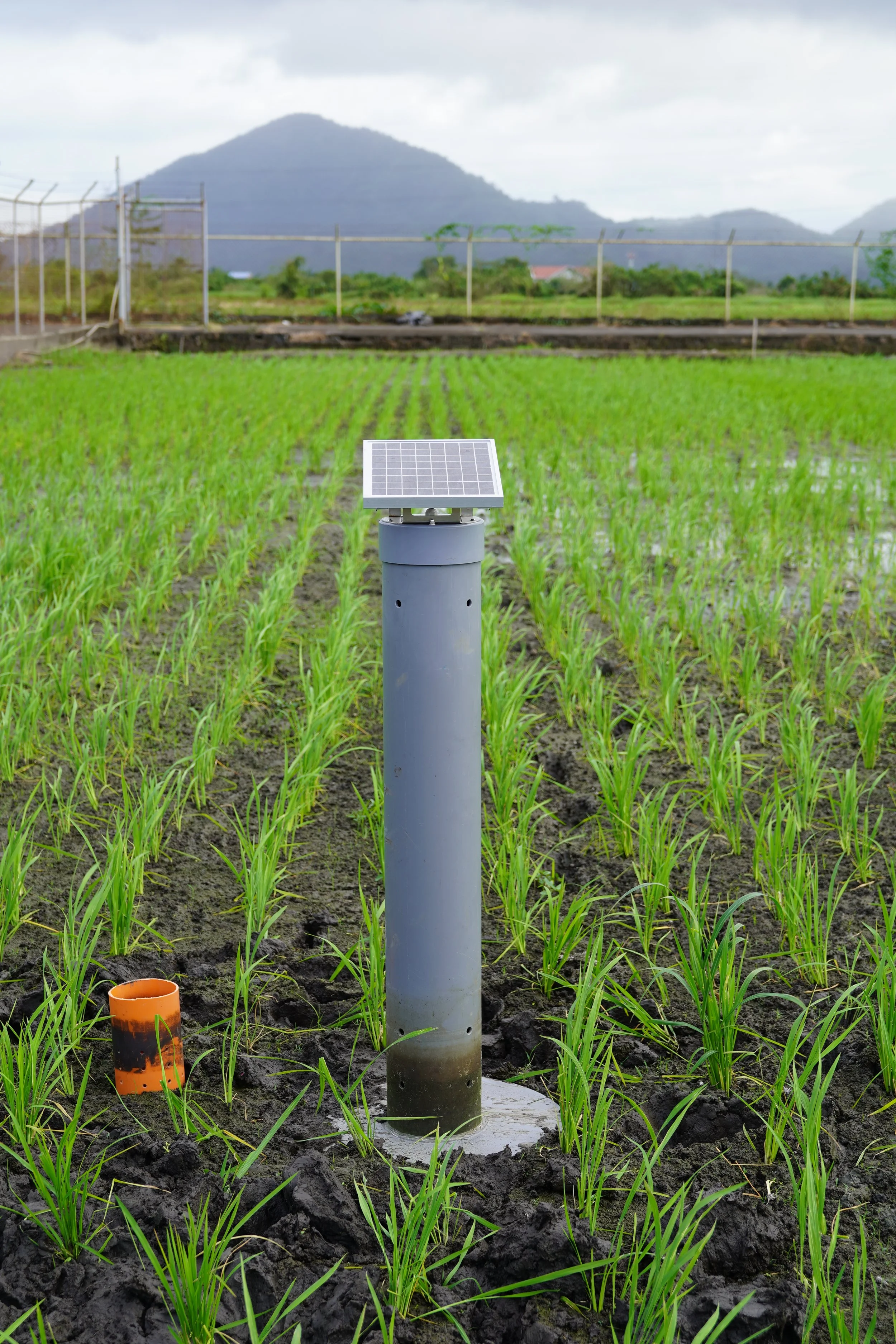
Fig 3. RYNAN’s AWD+ device in the Philippines
2. Integrated Pest Control
Pests remain a significant threat to rice yield stability. In rice plants, pests like the Brown Planthopper are key in causing severe damage to the rice plants and affecting the ability of the farmers to harvest them at the end of the season. Mass-spraying of pesticides is typically done by farmers to eliminate such pests. However, the traditional reliance on broad-spectrum pesticides is increasingly viewed as unsustainable due to rising costs, the destruction of the ecosystem, and the development of chemical resistance in insects.
Instead, farm managers, policymakers, and farmers are encouraged to adopt Integrated Pest Management (IPM) strategies. This includes the use of resistant rice varieties, real-time monitoring of pests, and biological controls using natural predators. By using real-time monitoring systems such as the Insect Monitoring System (IMS), identifying pest thresholds and changes in pest populations can allow the farmers to apply the necessary targeted interventions only when necessary, instead of blindly. This better protects the rice plants, the beneficial natural insect predators, and the local ecosystem.
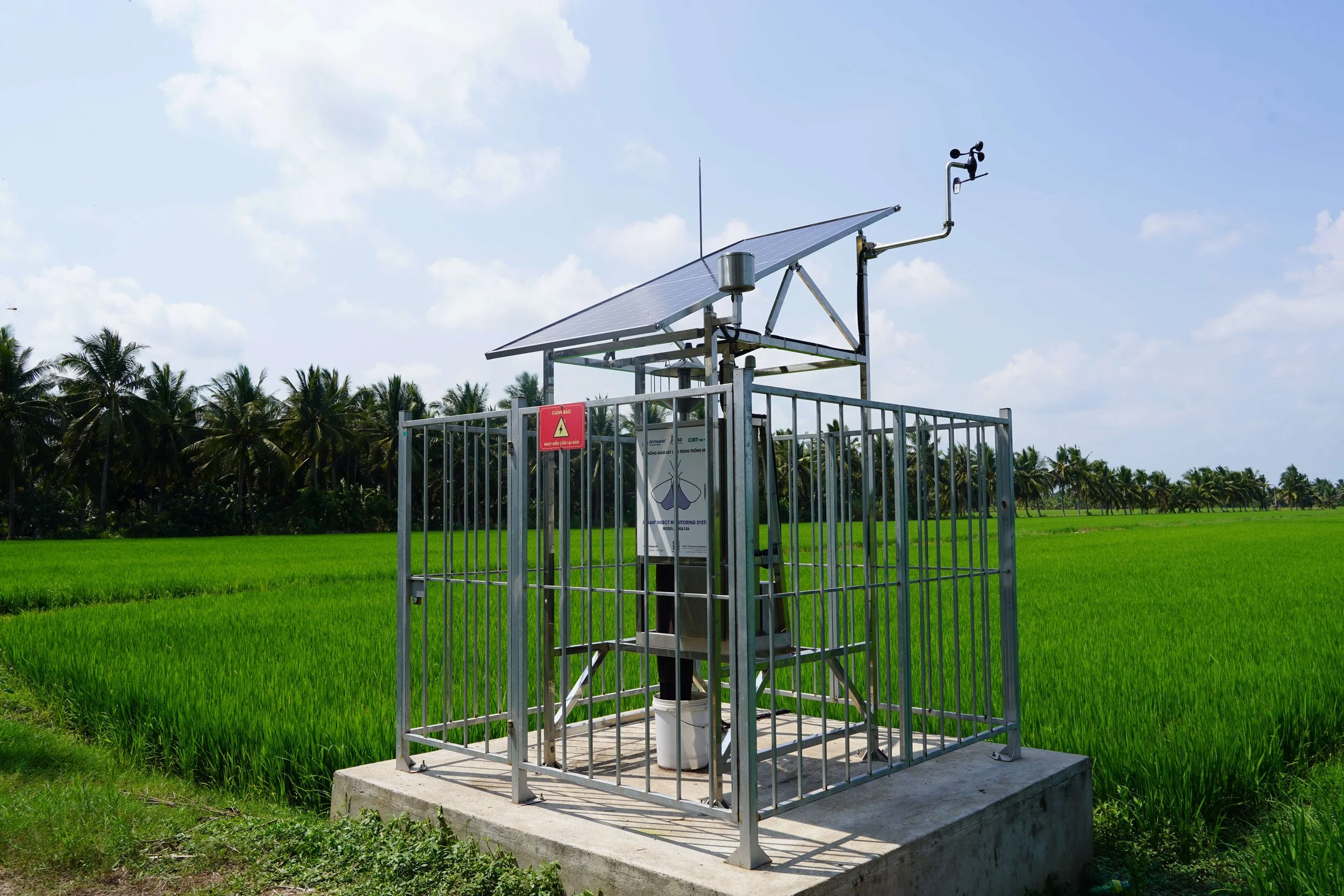
Fig 4. RYNAN’s Insect Monitoring System (IMS) in Thanh My, Vietnam
3. Soil Quality and Nutrient Management
The soil is another factor behind the development of a high-yielding crop. Characteristics such as pH, NPK (Nitrogen, Phosphorus, and Potassium) are important to cultivating high-quality crops. For rice fields where they are often flooded with water, certain key nutrients might be easily lost due to being washed away by the water. This calls for the need to have constant monitoring of soil quality.
Thus, sustainable soil management in the rice fields involves regular soil testing to create more precise fertilization plans. By monitoring utilizing the soil monitoring device, it reduces the input costs and also minimizes unnecessary nutrient leaching, which can have detrimental environmental effects on the surrounding water systems.

Fig 3. RYNAN’s Soil Monitoring Device in a Dragon fruit farm in Vietnam
The Role of Modern Technology in these strategic plans
Being able to take action to develop and keep up with these strategic management plans in rice fields requires the attention of data-driven tools. While traditional rice farming methods work, they are often plagued with poor, inconsistent yields and intensive hard labour that makes it difficult to be sustainable for many farmers.
Integrating data-driven tools can help to reduce such burdens. Information from these real-time monitoring solutions helps guide farmers, farm managers, and policymakers to track these key parameters with greater precision and in a more timely manner. This empowers them to make more informed decisions and strategies.
Optimizing rice yield can seem difficult. But adopting these data-driven tools is not as hard as it seems.
Find out more about these data-driven tools today!