VietFruitRise Advances with RYNAN InSentinel® Installations and Farmer Training in Vietnam
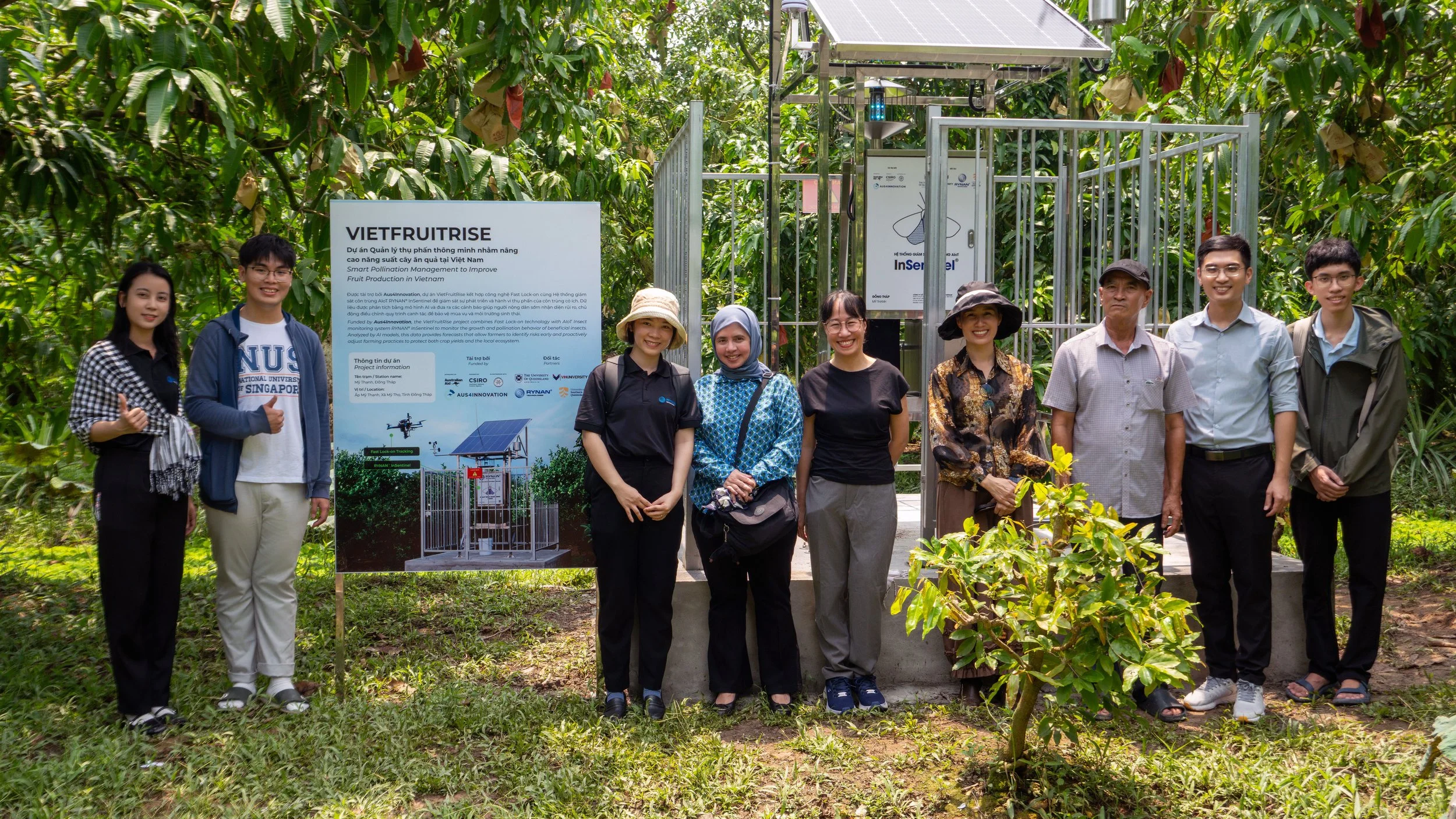
The VietFruitRise project has reached an important field implementation milestone with the installation of two RYNAN InSentinel® smart insect monitoring stations in major fruit-growing areas of Vietnam’s Mekong Delta.
The stations are now operating at:
My Thanh Hamlet, My Tho Commune, Dong Thap Province
Long An Hamlet, Long Kien Commune, An Giang Province
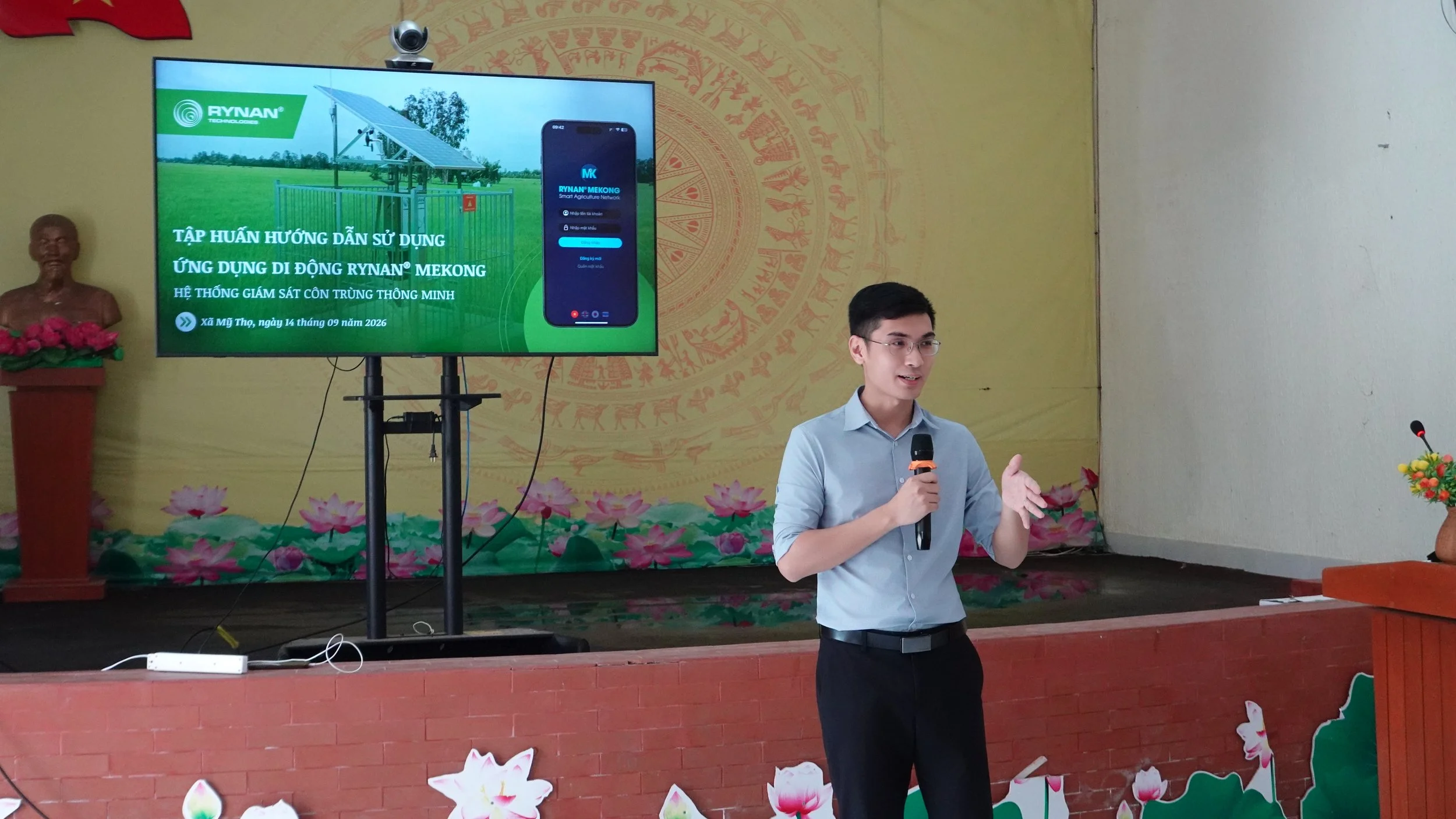
Dr Mai Thanh Thai from VinUniversity
VietFruitRise is part of the Smart Pollination Management to Improve Fruit Production in Vietnam initiative. Led by The University of Queensland, the Australia–Vietnam research collaboration explores how AI-powered insect monitoring can help fruit growers better understand pests, pollinators and other beneficial insects in their orchards.
The project aims to support more informed farm management, reduce unnecessary pesticide use and strengthen the climate resilience of fruit production in Vietnam. Read more about the project from The University of Queensland.
Bringing insect data into everyday farm management
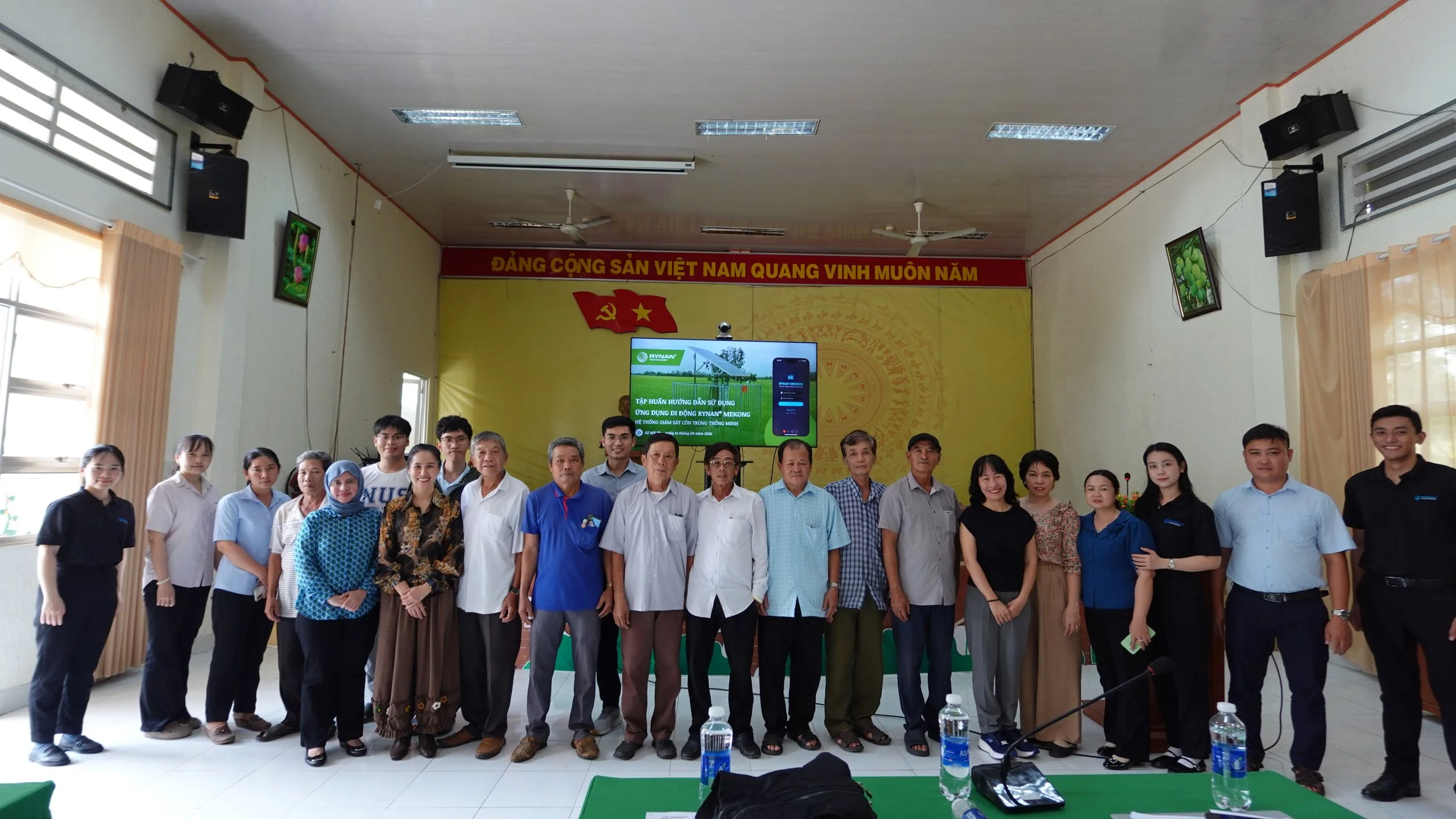
Following the installations, RYNAN Technologies conducted training for farmers, agricultural cooperatives, managers and local officials.
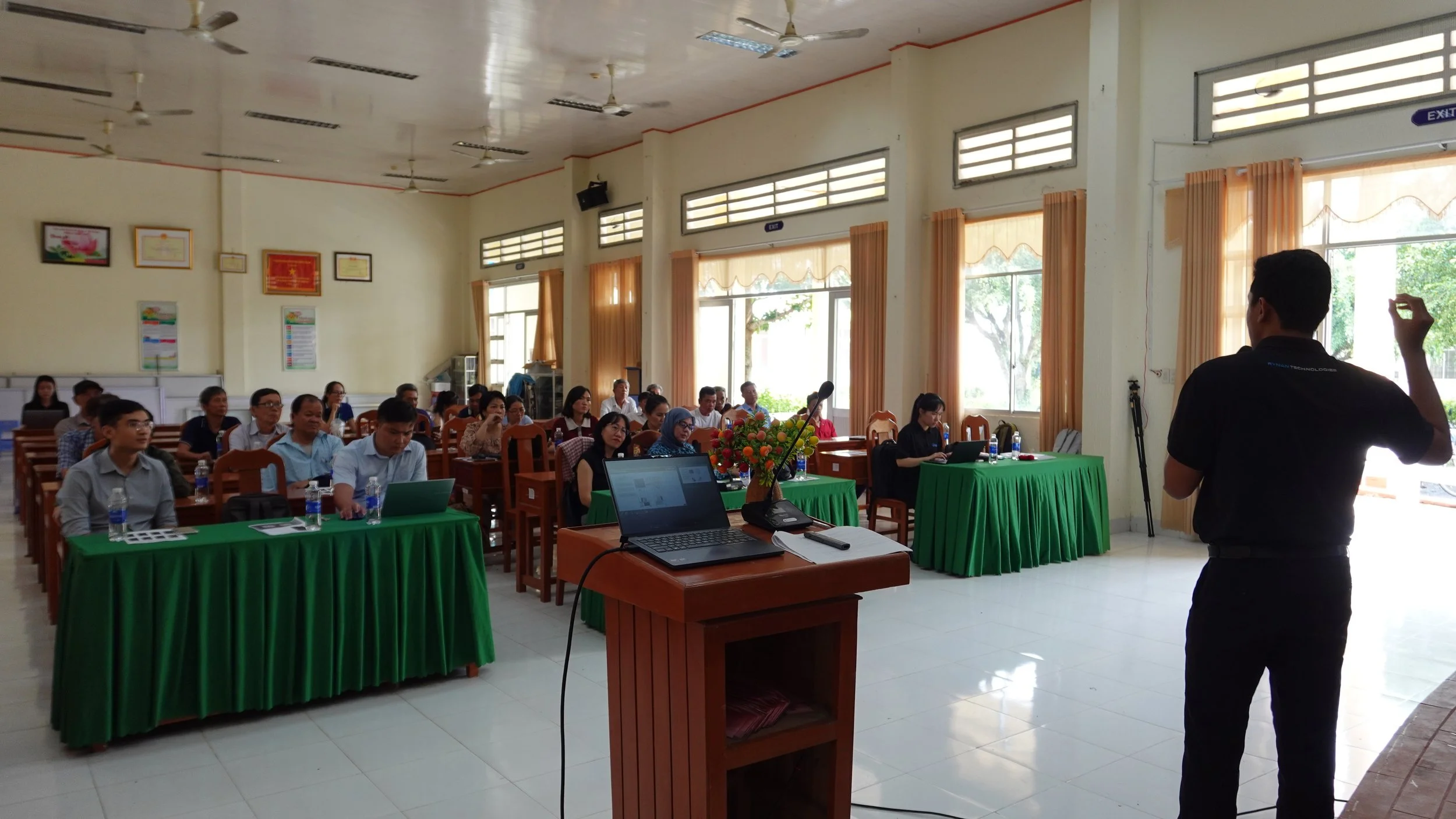
Participants learnt how the RYNAN InSentinel® insect monitoring system automatically captures, identifies and counts insects, as well as how to check the station’s operating status. Managers and officials were introduced to the central SaaS platform, where they can review insect population trends, compare data across monitoring periods and configure pest alerts.
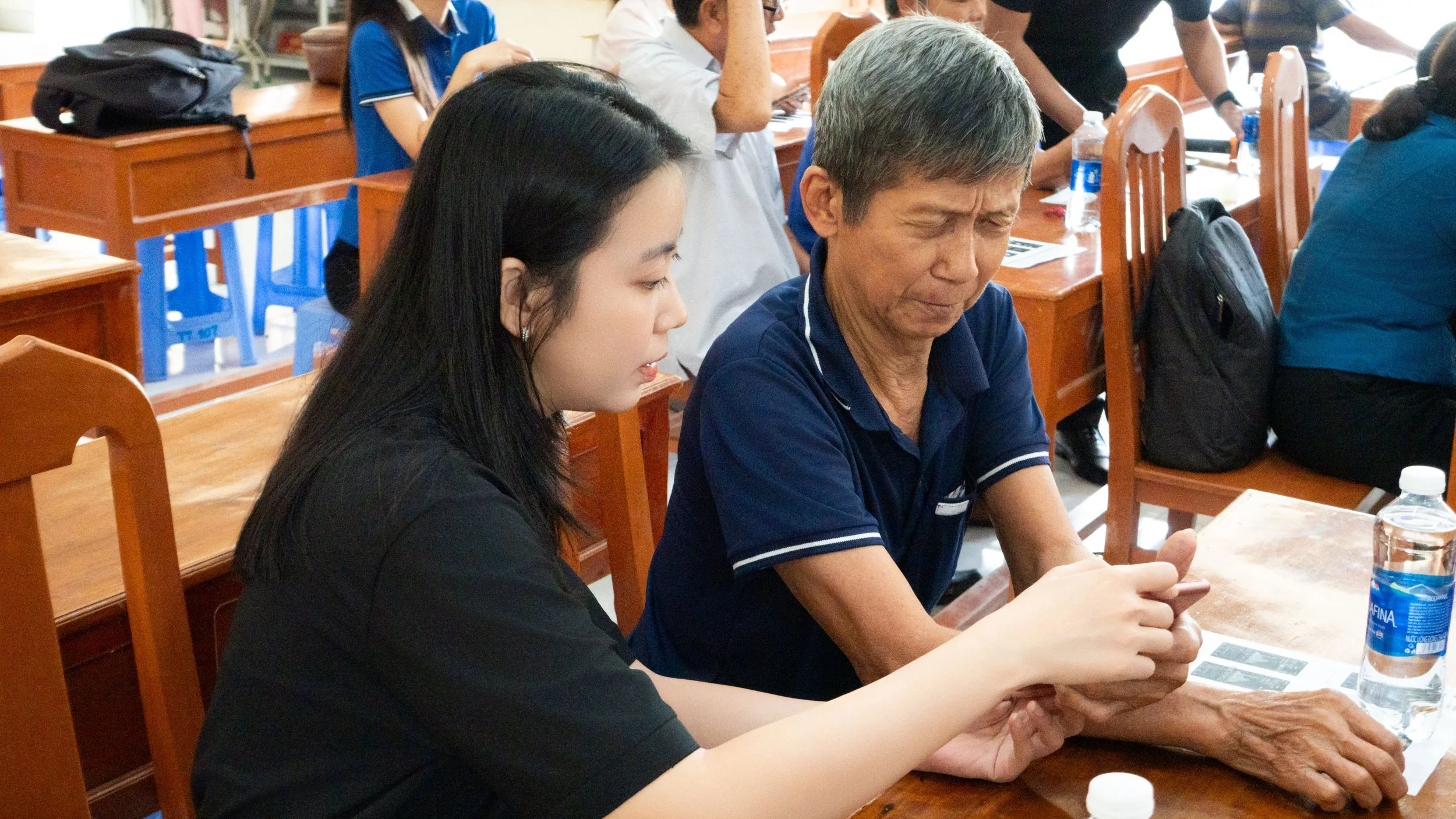
Farmers also received practical guidance on using the RYNAN® Mekong mobile application to access insect counts and receive alerts from the newly installed stations.
The programme concluded with a visit to Mr Ba Hau’s mango orchard, where participants compared data displayed in the application with actual conditions at the monitoring station.
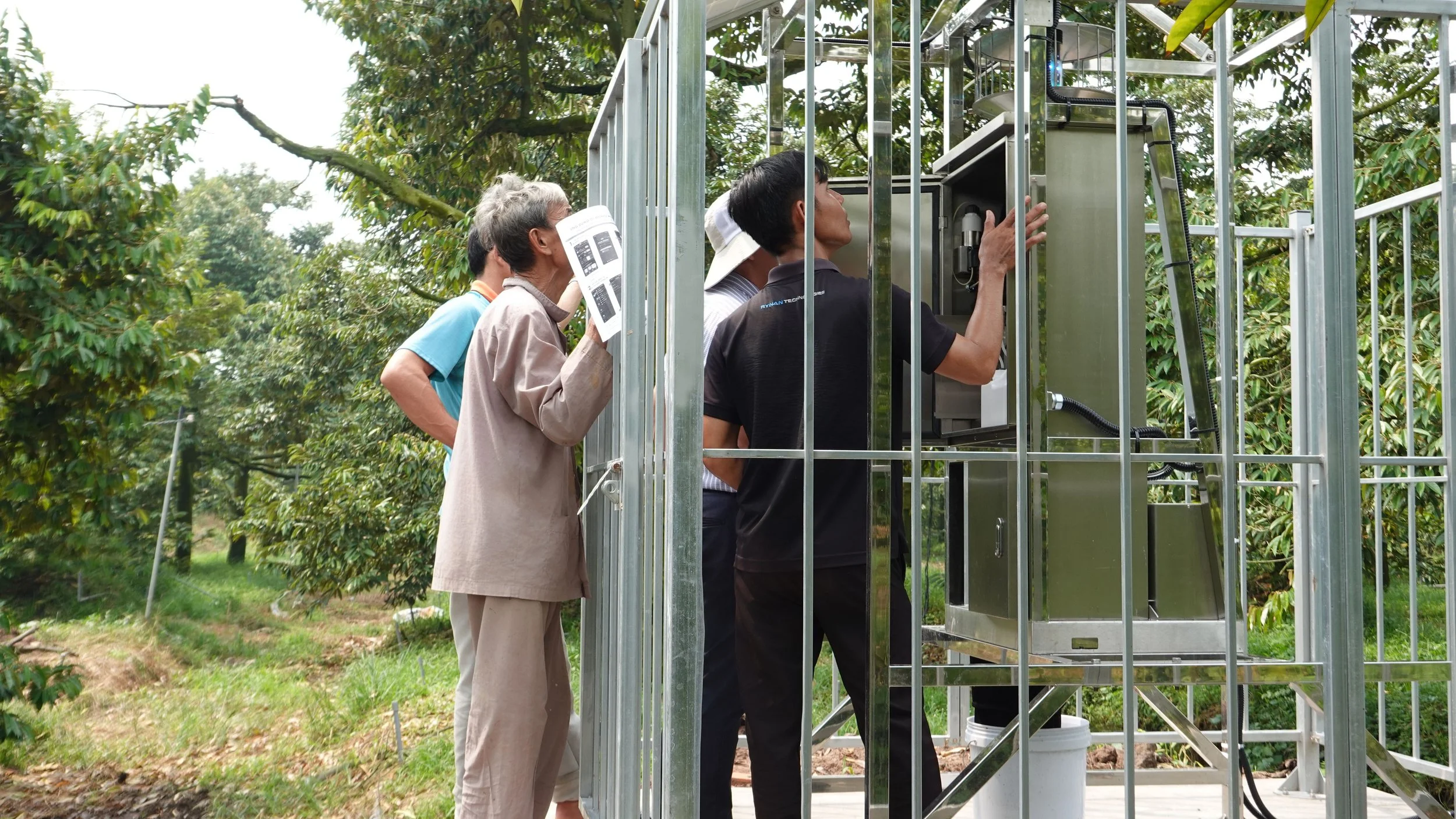
By giving farmers greater visibility into insect activity, the project can support a more targeted approach to pest management. Instead of relying solely on routine spraying schedules, growers can use field data alongside their own experience and observations to decide when intervention may be necessary and when spraying could potentially be avoided.