
From Agricultural Data to Actionable Insights: How AI Could Transform Rice Farming in India
India is one of the world's largest agricultural producers, but farmers and agribusinesses are under growing pressure to produce more with less resources. Water scarcity, shifting pest patterns, shifting climate conditions, and rising biosecurity risks are making farming increasingly complex, and farmers are asked to produce more sustainably while meeting stricter market standards.
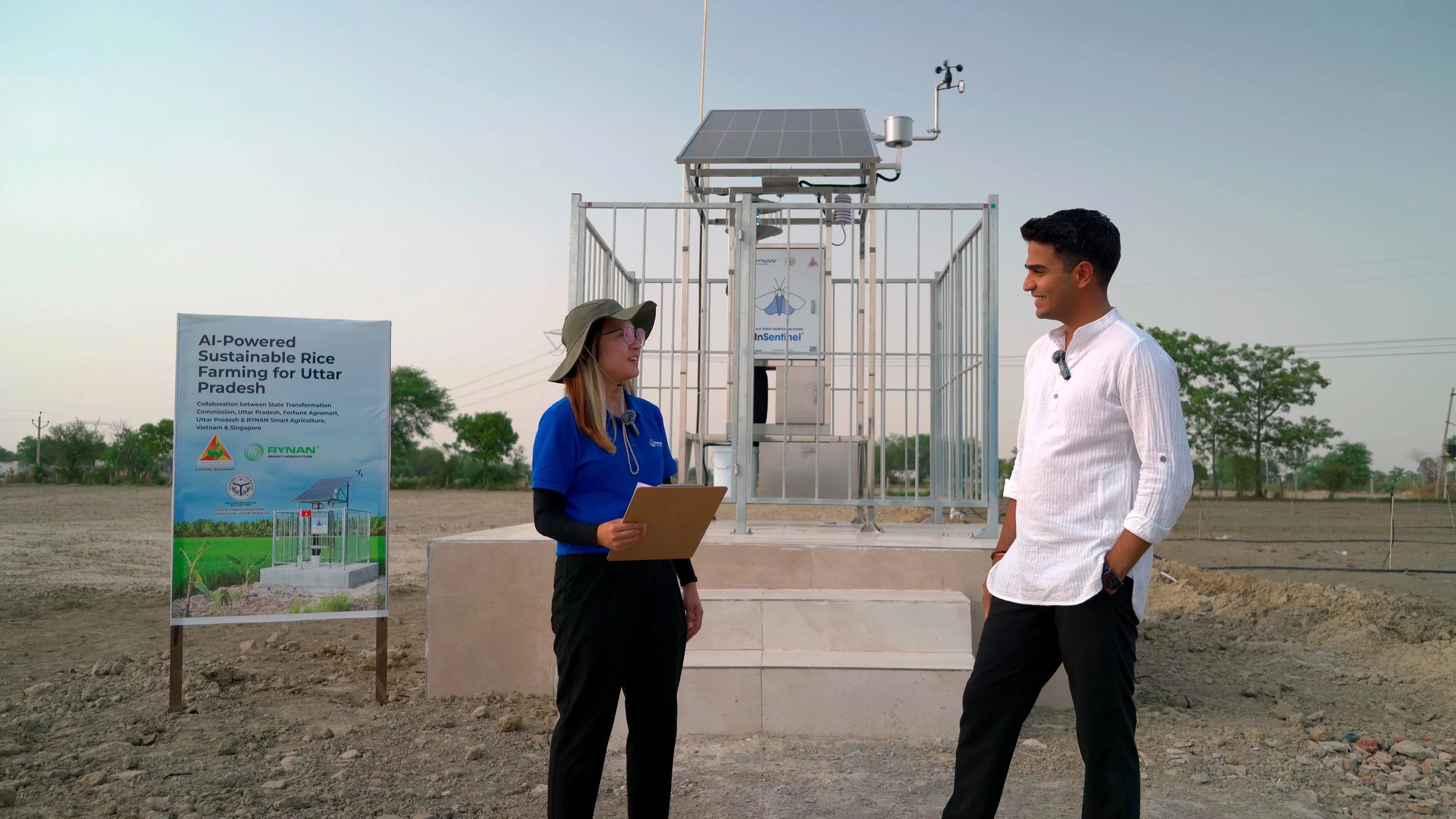
Interviewing Dr. Aakash in the field
We had a chat with Dr. Aakash Bhalothia of Fortune Rice Limited, to talk about the challenges facing Indian agriculture, why credible, localised data is becoming so critical, and how AI and technology are helping farmers make better decisions in the field.
Fortune Rice Limited at a glance
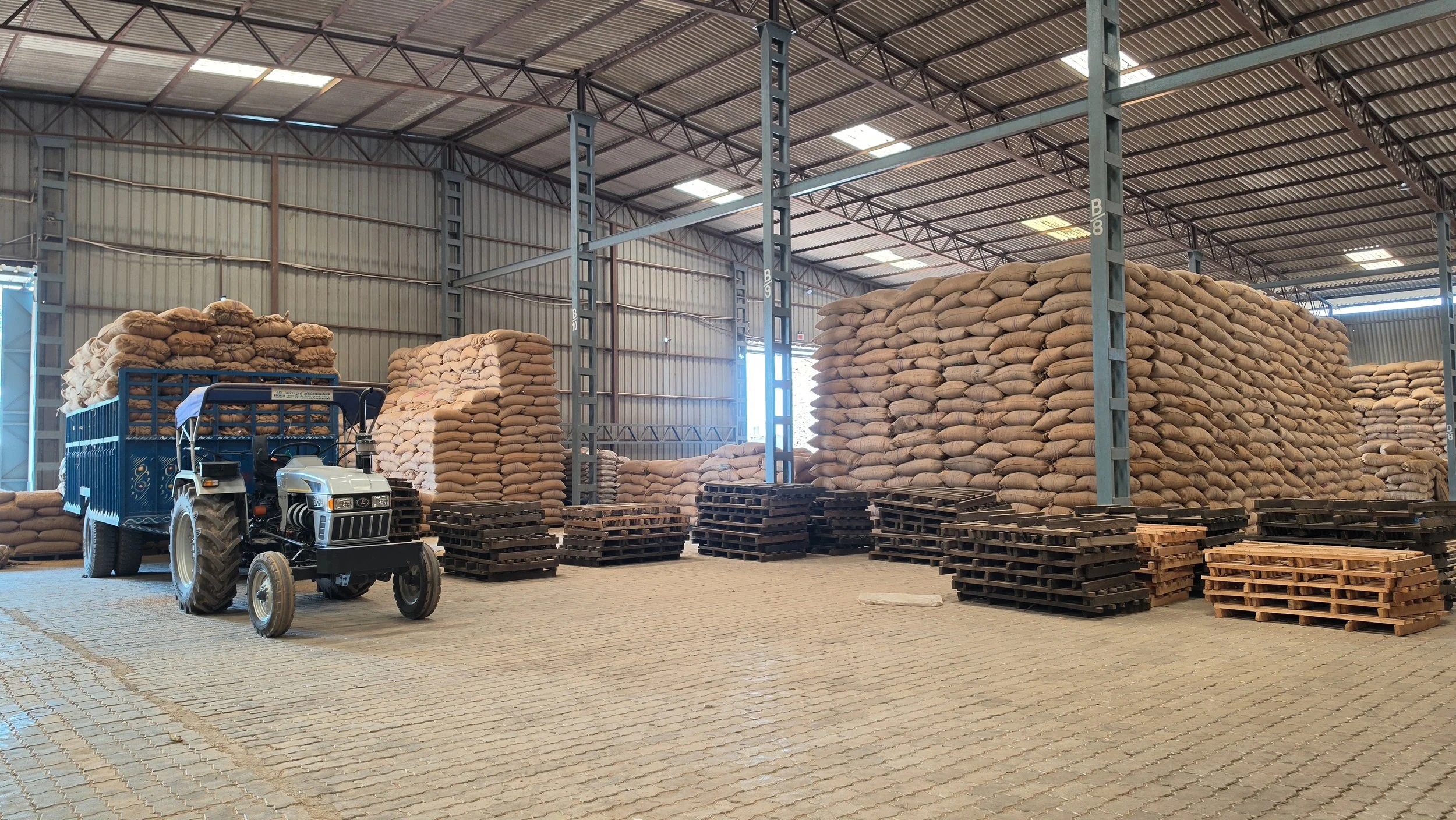
Fortune Rice’s paddy warehouse
Fortune Rice Limited is a basmati rice producer and exporter, supplying approximately 50,000 tonnes annually to European markets. The company works directly with around 2,500 farmers across 15,000 acres in Western Uttar Pradesh.
Meet Dr. Aakash Bhalothia
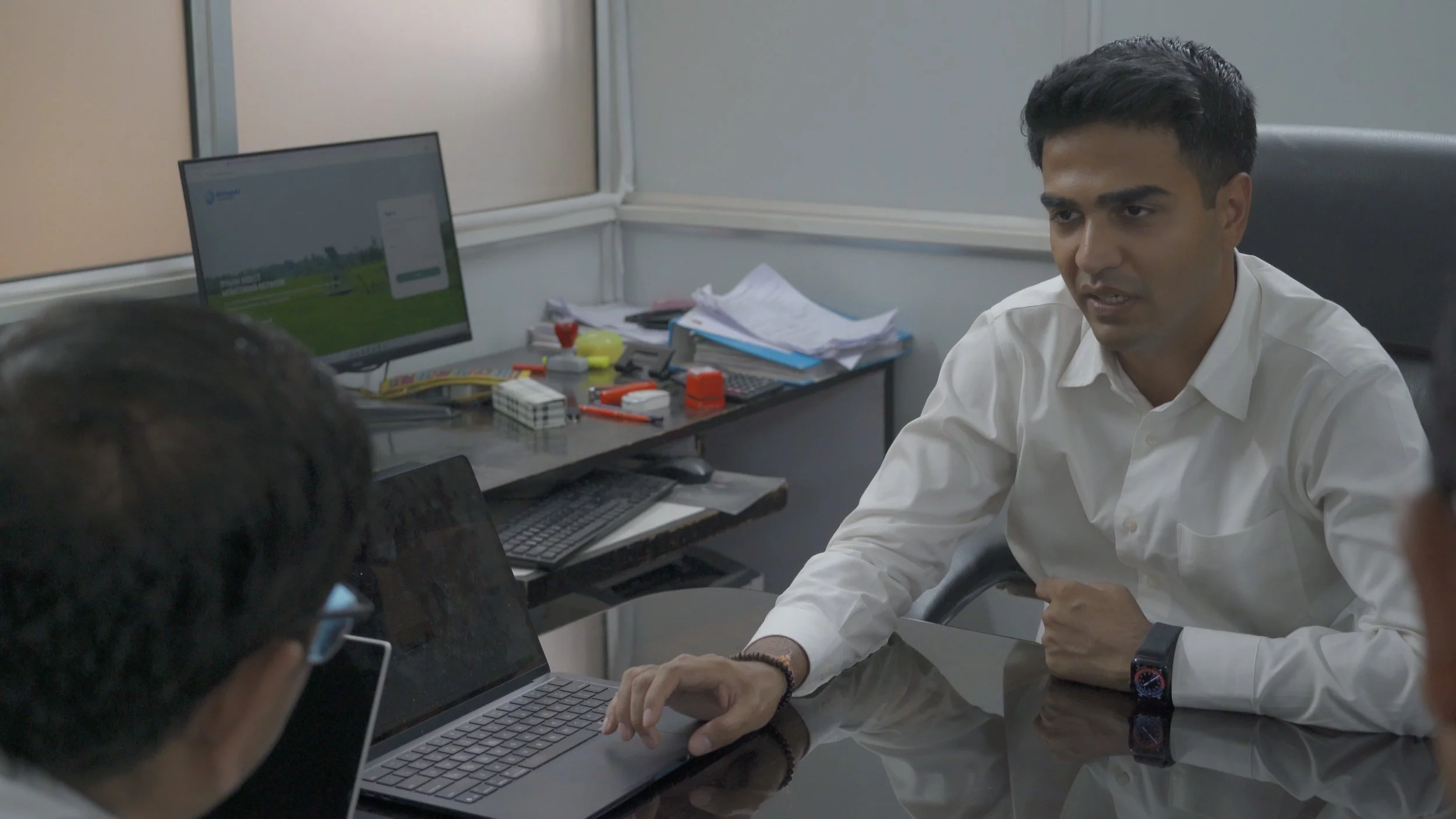
Raised in Delhi with strong family ties to agriculture, Dr. Aakash Bhalothia pursued his education in the United States before working in economic research. He later completed a PhD focused on development economics, deepening his understanding of the challenges facing India’s agricultural sector. This experience ultimately led him back to his family business, Fortune Rice Limited, where he applies his research background to real-world agricultural challenges.
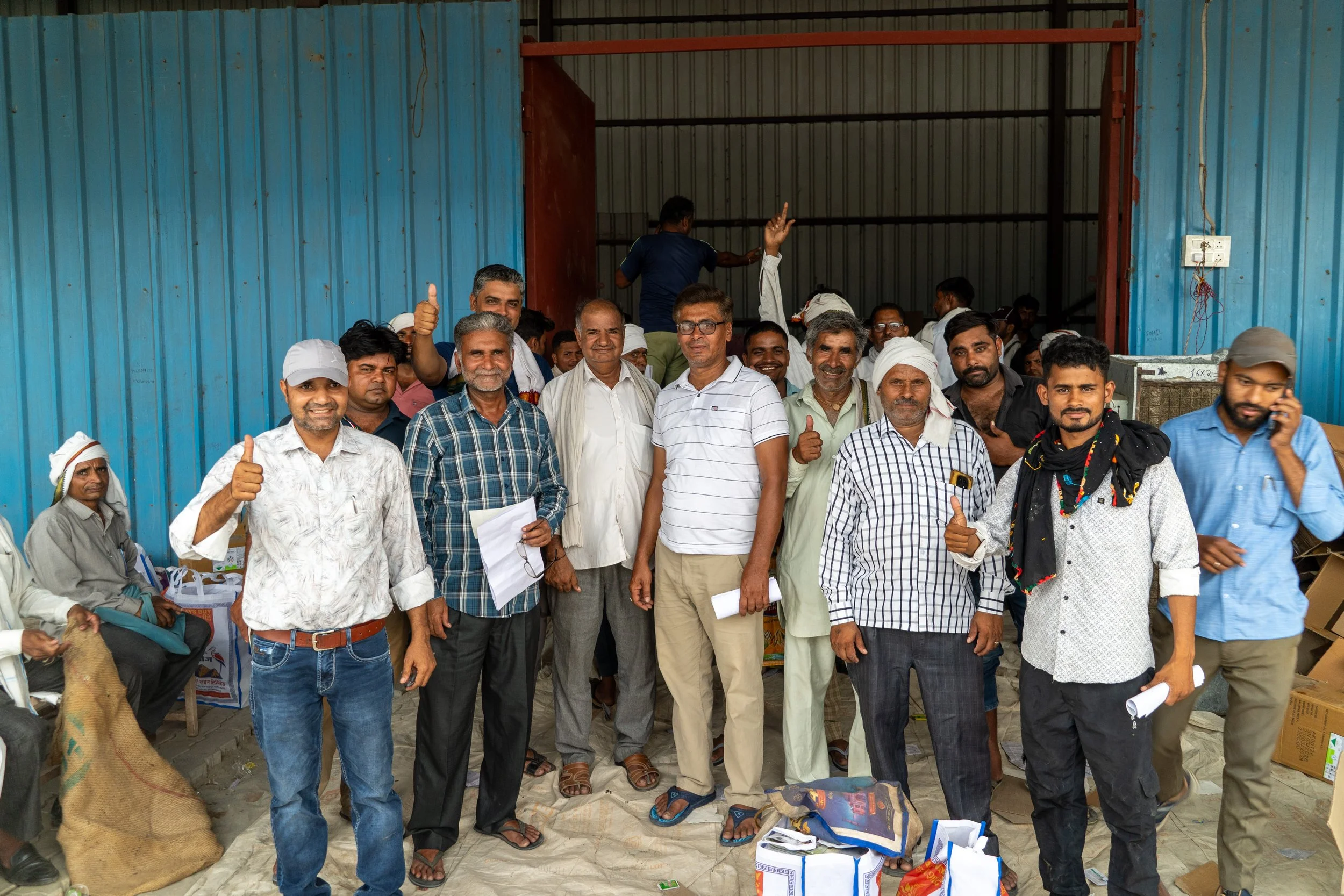
Farmers collecting agricultural inputs including seeds, pesticides, bio-chemicals, and micro-nutrients provided by Fortune Rice
"Fortune Rice is a basmati rice exporter focused primarily on Europe, we also work directly with farmers, which is quite unique." - Dr. Aakash
At the start of each season, Fortune Rice Limited supplies farmers with quality inputs, offers technical advice through the growing season, procures their harvest through a private mandi (wholesale market), and pays them within 72 hours, all while pushing for lower water usage and reduced pesticide use.
"Our mission is quite simple: we want to make Indian agriculture more productive, more sustainable and safer." - Dr. Aakash
The Missing Input: Credible, Contextualised Data
When asked what input Indian farmers most lack today, Dr. Aakash doesn't hesitate: credible and contextualised data.
Climate change is rewriting the rules of farming, crop cycles are shifting, pest attacks are changing, and years of heavy pesticide and fertiliser use are catching up with the land. Farmers need to understand new pest patterns, how weather is changing, and how that should shape irrigation and pesticide decisions. But that kind of localised, trustworthy data is often not available at the level farmers need.
Helping Farmers Get More Value From Their Crops
Rice farmers frequently miss out on the premiums available in export markets. This is largely due to two factors: pesticide residue limits and water management.
Export markets enforce strict pesticide residue thresholds, so staying compliant is essential to accessing premium markets. Water is the other major lever: rice cultivation accounts for roughly 10% of global methane emissions, driven largely by standing water in flooded fields, at a time when international buyers are actively looking to cut their environmental footprint.
Technology that makes pest monitoring, water management, and methane tracking more credible and efficient can directly help farmers meet these standards and capture more of the value their crops generate.
Moving From Reactive to Proactive
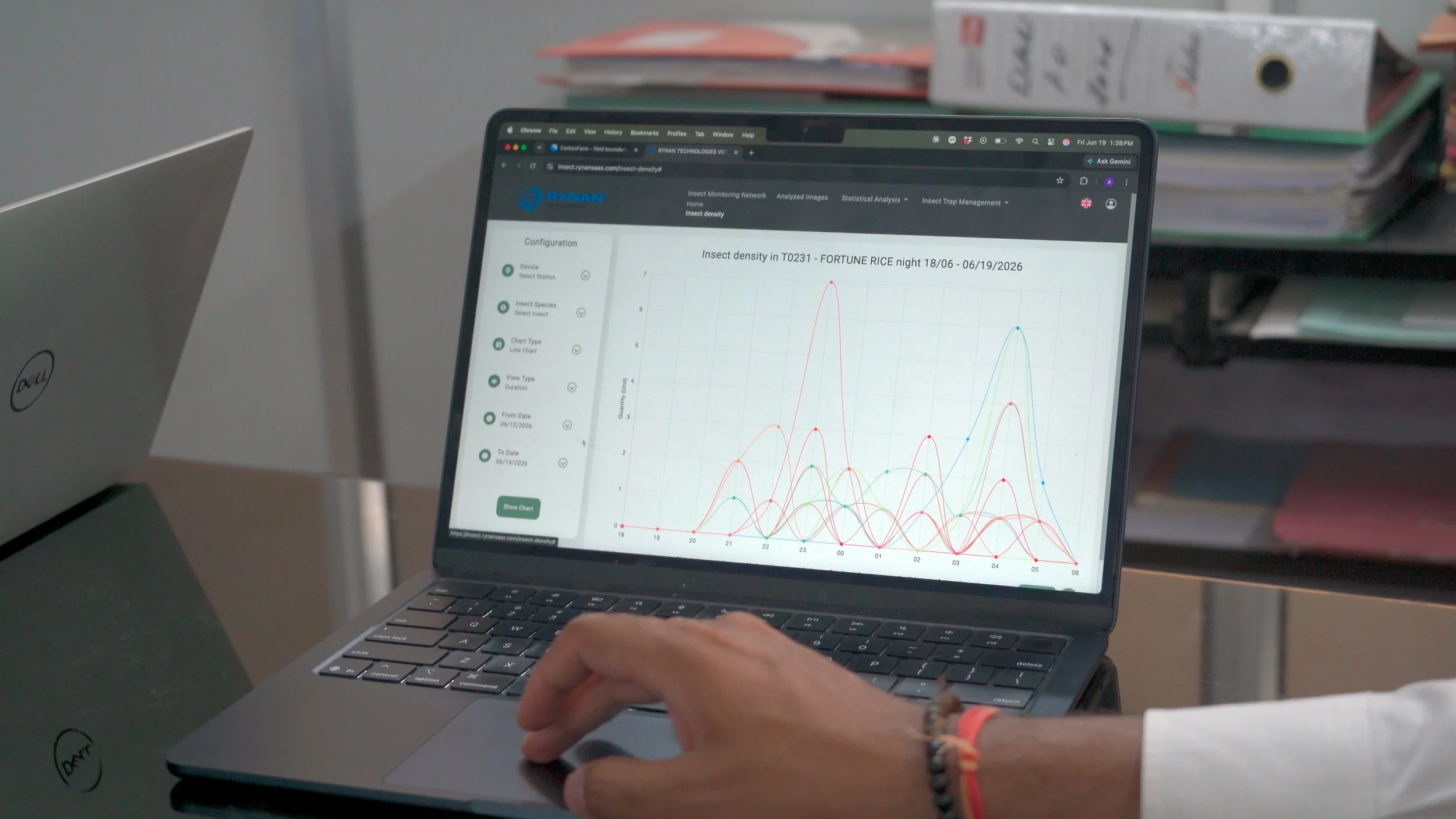
Insect data collected over a few days to show the trend on RYNAN’s digital platform
Agriculture generates enormous amounts of data, but much of it goes uncollected or unanalyzed. AI's potential lies in changing that, collecting field data more efficiently and turning it into insights that help farmers and agribusinesses make better decisions.
This is part of why Fortune Rice Limited is excited about RYNAN's technology: a platform designed to pull together different data sources and translate them into decisions farmers can act on in the field.
"The opportunity isn't simply to collect more data. It's to make that data useful." - Dr. Aakash
The Role of Government in Scaling Agricultural Technology
Not every technology works everywhere, context matters enormously in agriculture. Dr. Aakash sees two key roles for government here:
Enable local experimentation. Let people on the ground determine what actually works in their conditions.
Absorb coordination costs. Much of this technology is currently too expensive for individual smallholder farmers. Government investment can bring it to scale.
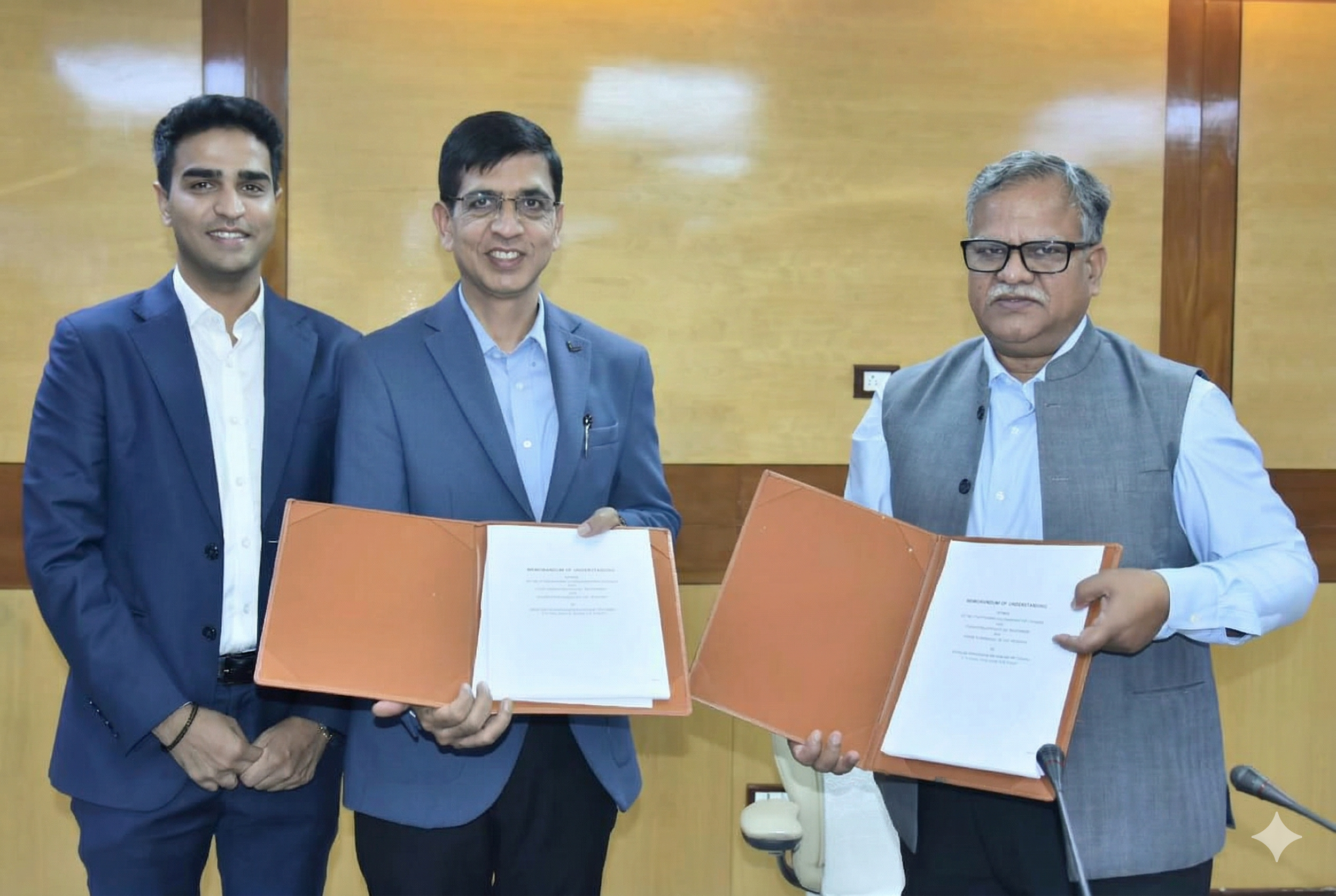
Signing ceremony between Fortune Rice Limited and CEO Mr. Manoj Kumar Singh, Uttar Pradesh State Transformation Commission
This pilot is a good example: the Uttar Pradesh State Transformation Commission is backing the project with the aim of scaling toward a statewide agricultural intelligence system, to track pests and their migration patterns, monitor sustainability metrics, and feed those insights back to farmers to improve both their practices and their access to export markets.
“Most importantly, we're very grateful to the Uttar Pradesh State Transformation Commission and its CEO, Mr. Manoj Kumar Singh, for sharing our vision of bringing the best global technology to Indian farmers.” - Dr. Aakash
Why Fortune Rice Limited Partnered With RYNAN Technologies
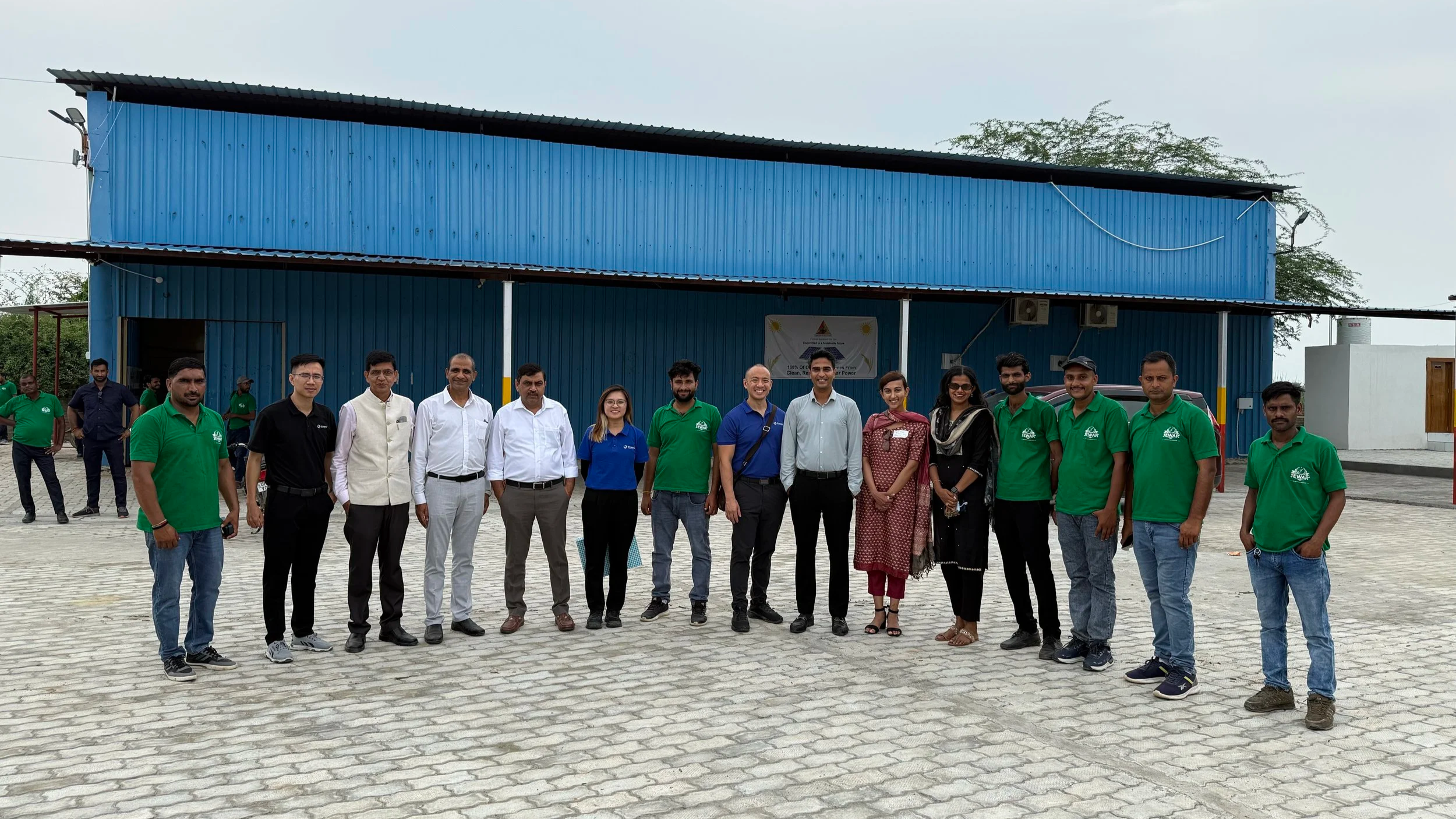
“This partnership was actually such a natural fit because of how complementary our strengths are. RYNAN's expertise lies in state-of-the-art technology that aligns with our mission perfectly in all three areas, and our expertise is the operational layer of translating that technology to the field and to the farmer.”
- Dr. Aakash
Building a Smarter Future for India's Agriculture
As climate conditions continue to change, pest pressure evolves, water becomes increasingly scarce and export markets demand greater transparency, farmers will need timely, context-specific information to understand what is happening in their fields and decide what to do next.
AI and field-based technologies can help connect these challenges by monitoring insect populations and weather conditions, guiding water management and measuring methane emissions. Together, these insights can help farmers respond to pest risks earlier, use water more efficiently and provide credible data on how their crops are produced.
The future of agriculture will not be defined by technology alone, but by how effectively it turns field data into practical information that supports better farming decisions.
The collaboration between RYNAN Technologies and Fortune Rice Limited is a first step towards realising that vision, bringing farmers, agribusinesses, technology companies, and government together to explore and expand the agricultural intelligence network.