
Supporting Climate-Smart Rice Farming Through Precision Water and Methane Monitoring in the Philippines
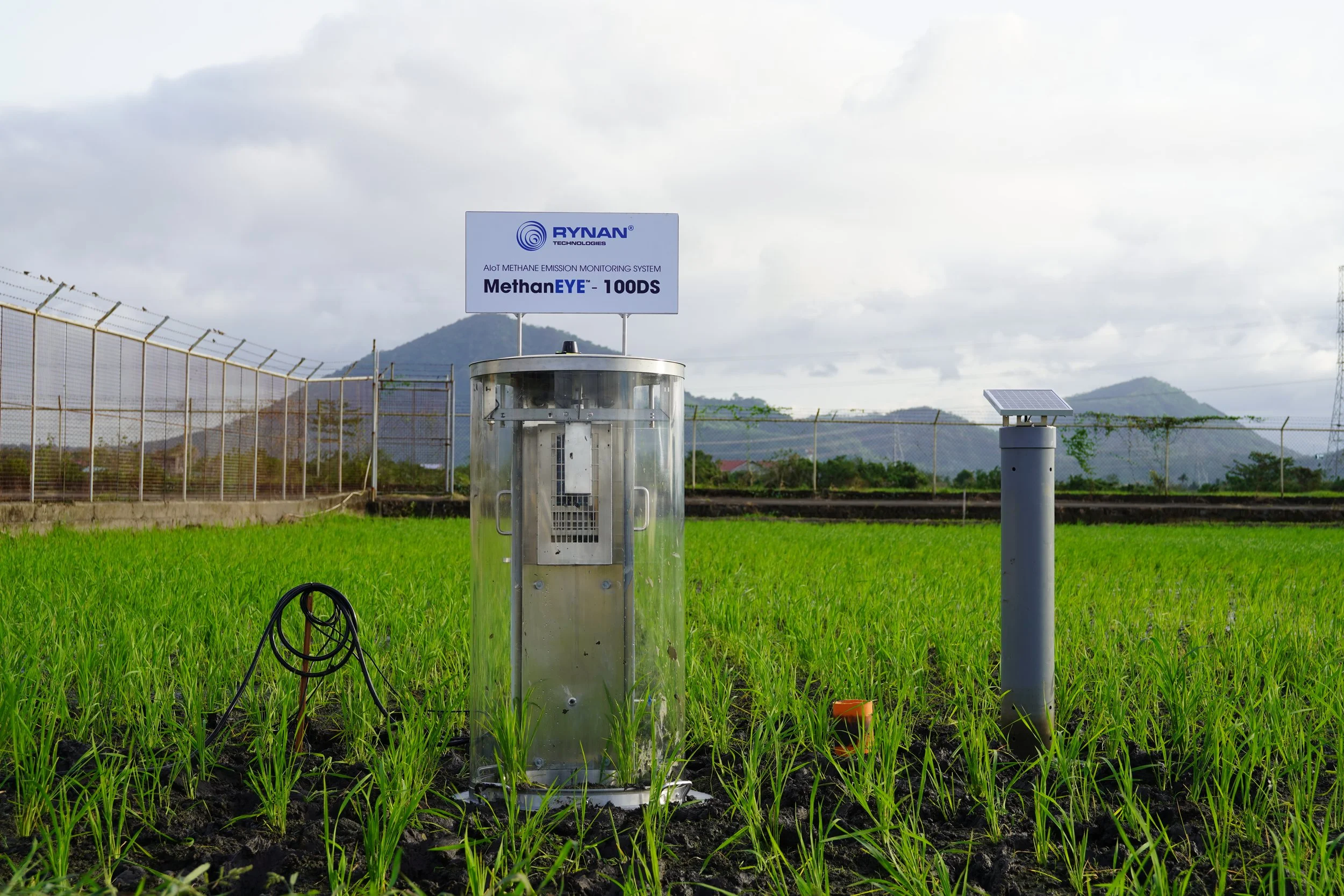
RYNAN MethanEYE® and RYNAN AWD+
As the Philippines continues to advance more sustainable approaches to rice production, reliable field data is becoming increasingly important in understanding how farming practices affect both water use and greenhouse gas emissions.
To support this effort, LEADS Agriculture Philippines Inc. and RYNAN Smart Agriculture are working together on a field initiative in Laguna, Philippines, using digital monitoring technologies to better understand the relationship between rice field water management and methane emissions.
Connecting Water Management With Methane Monitoring
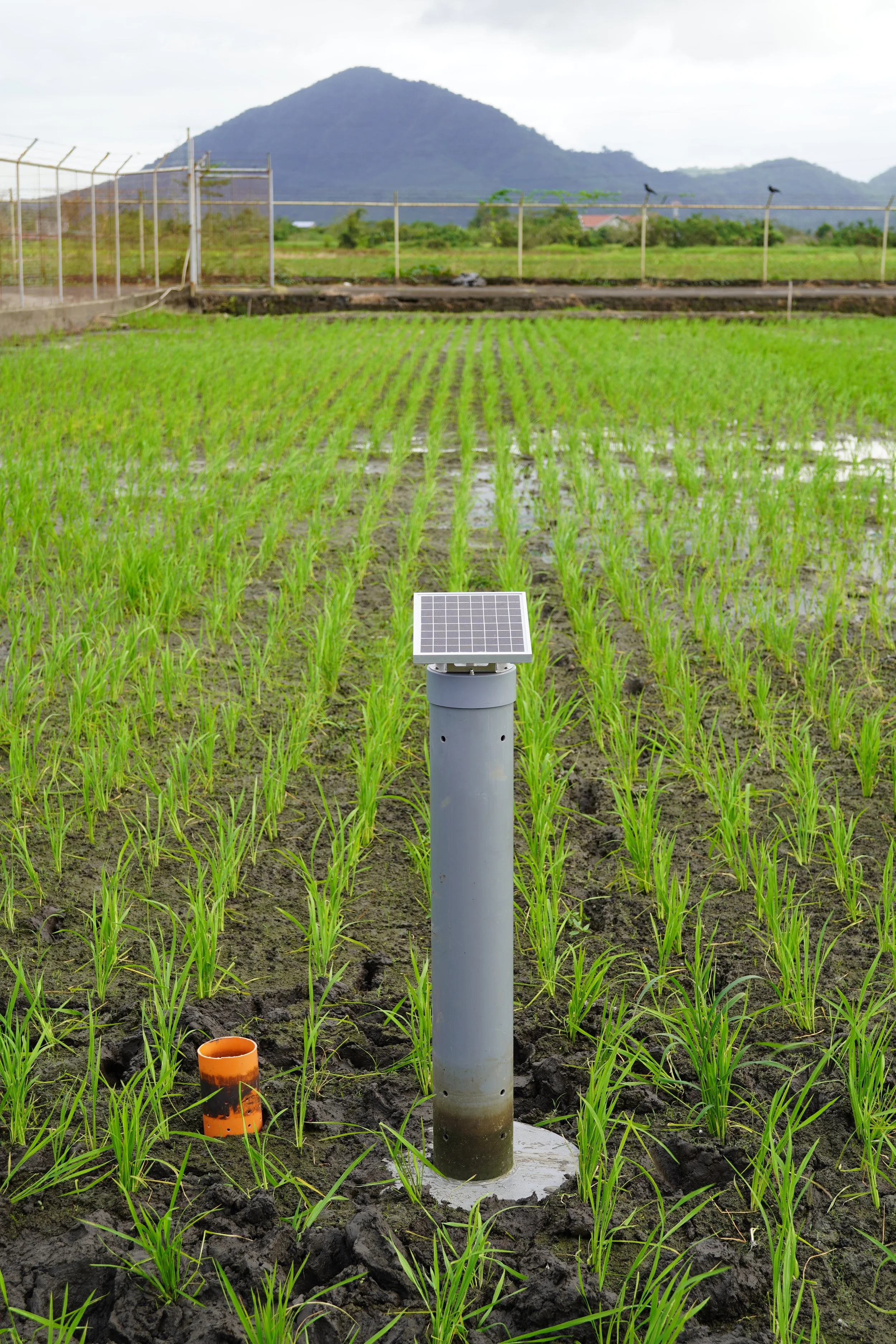
RYNAN AWD+
Water management plays an important role in methane emissions from rice cultivation. Alternate Wetting and Drying (AWD) is an irrigation practice that allows rice fields to periodically dry to a certain level before being re-irrigated, helping reduce prolonged flooding conditions associated with methane production.
However, effective implementation depends on knowing what is actually happening in the field.
RYNAN AWD+ continuously monitors field water levels, reducing reliance on manual measurements and providing a clearer picture of wetting and drying conditions throughout the growing cycle.
Alongside this, RYNAN MethanEYE® continuously monitors methane emissions from the rice field, providing data that allows project partners to observe how emissions change under different field and irrigation conditions.
By deploying both systems together, the project can connect water-level data with methane-emissions data, providing a more complete picture of how irrigation practices influence emissions under actual farming conditions.
Bringing Monitoring Technology Into the Field
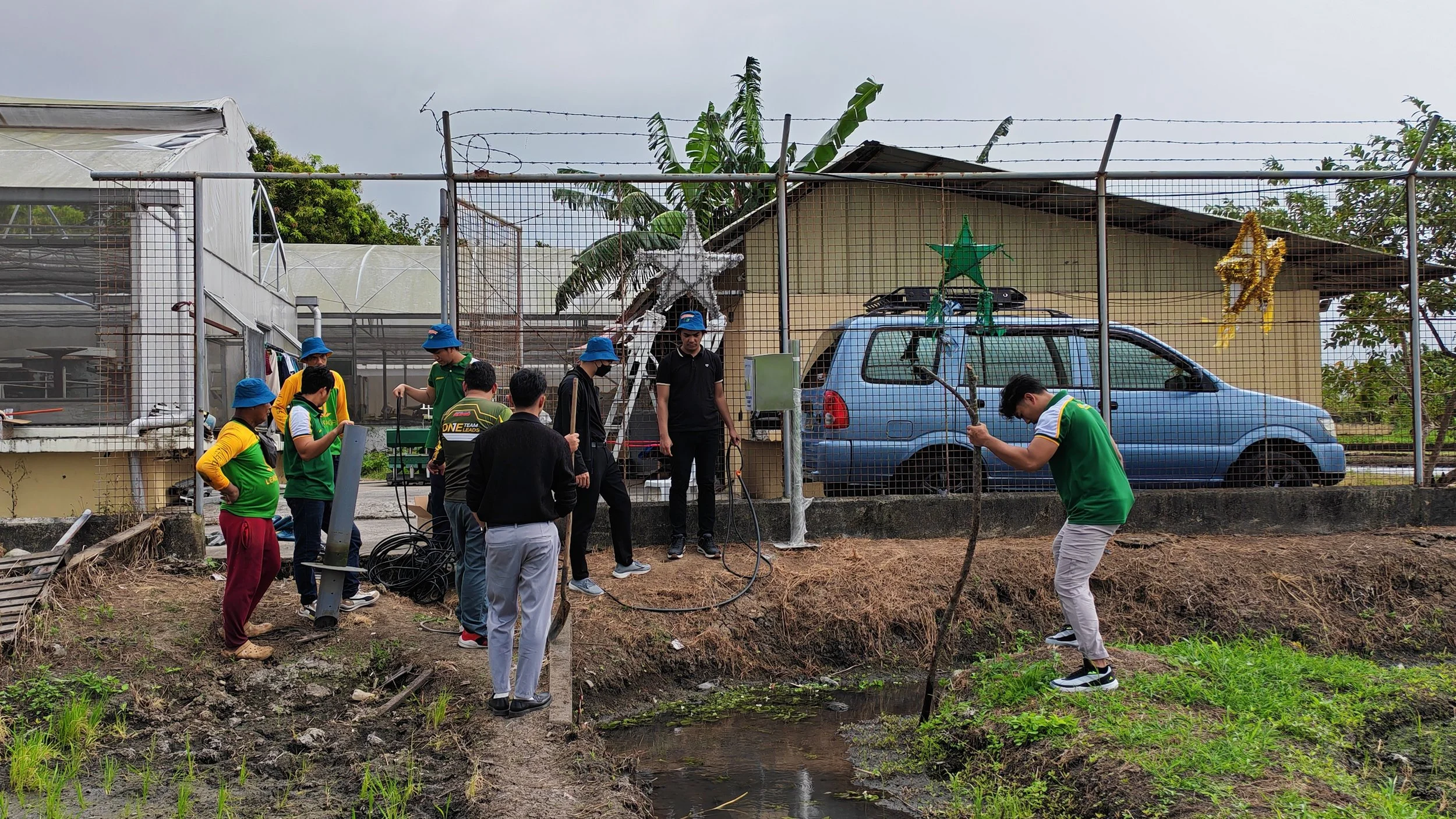
During the on-site deployment in Laguna, teams from LEADS and RYNAN worked together to install and commission the monitoring systems under actual rice field conditions.
Beyond installing the equipment, the collaboration brings together LEADS' local agricultural network and field knowledge with RYNAN's monitoring technology and technical expertise, helping ensure the systems are applied in a way that is relevant to local farming conditions.
The project also provides participating farmers and stakeholders with greater visibility into field conditions without depending solely on periodic manual observations.
Building Data for Future Climate-Smart Rice Initiatives
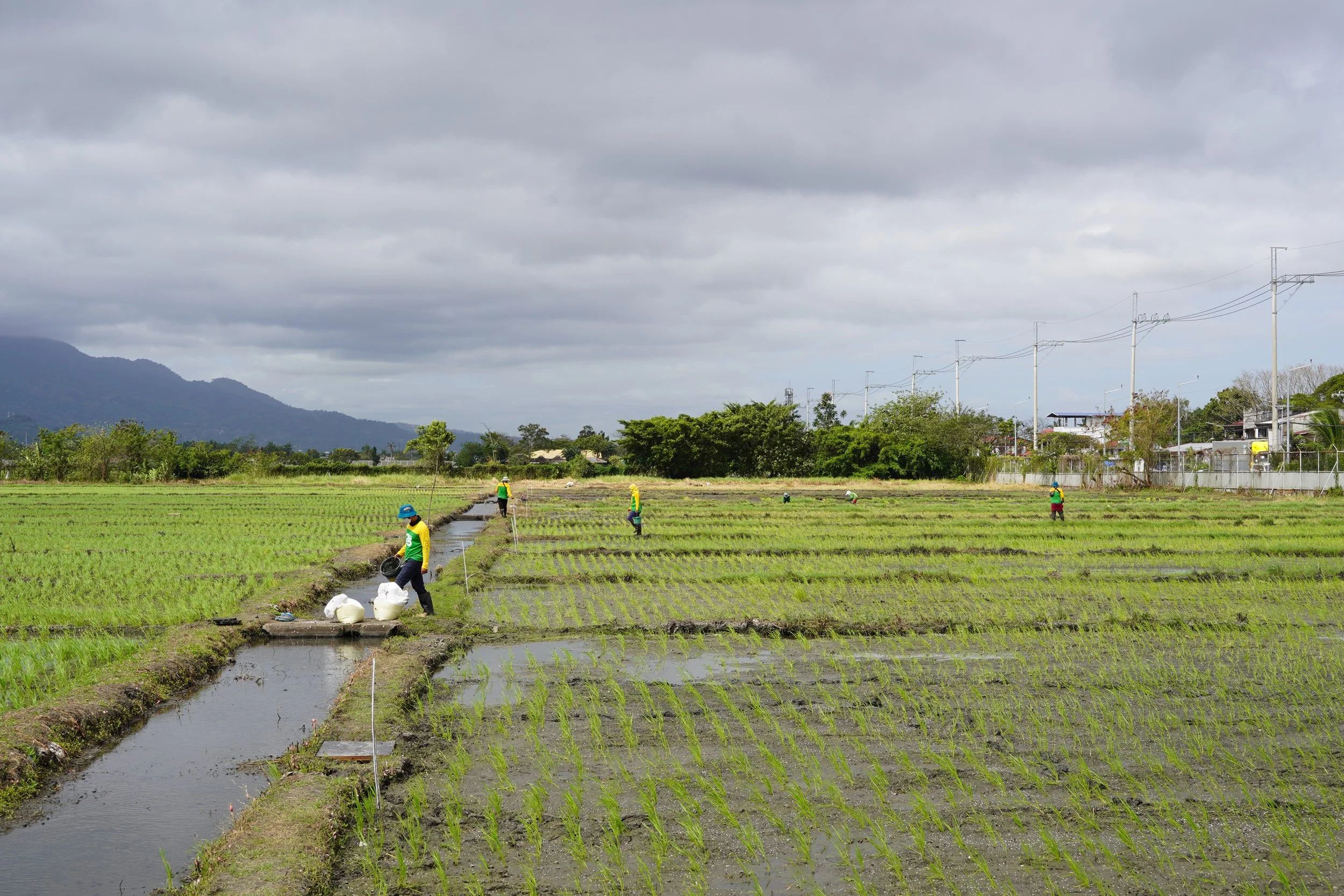
Over the growing season, data collected from AWD+ and MethanEYE® will help the project team examine how changes in field water conditions correspond with methane emissions.
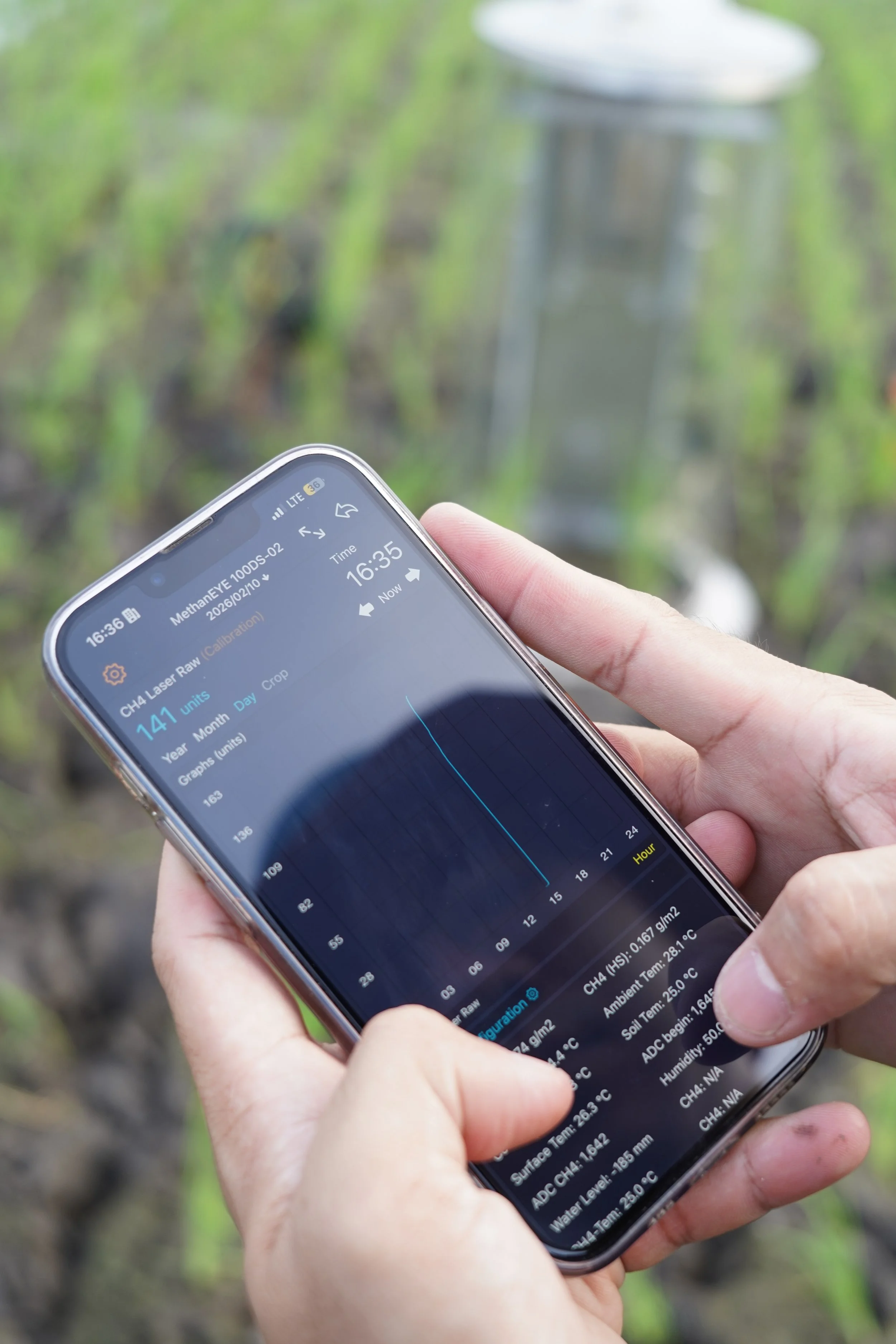
Rather than relying only on estimates or occasional field measurements, continuous monitoring provides a stronger data foundation for evaluating irrigation practices and their environmental impact.
The findings from the Laguna deployment can contribute to a better understanding of how digital monitoring and AWD practices can be applied under local conditions, while supporting the evaluation of future low-emission rice initiatives in the Philippines.
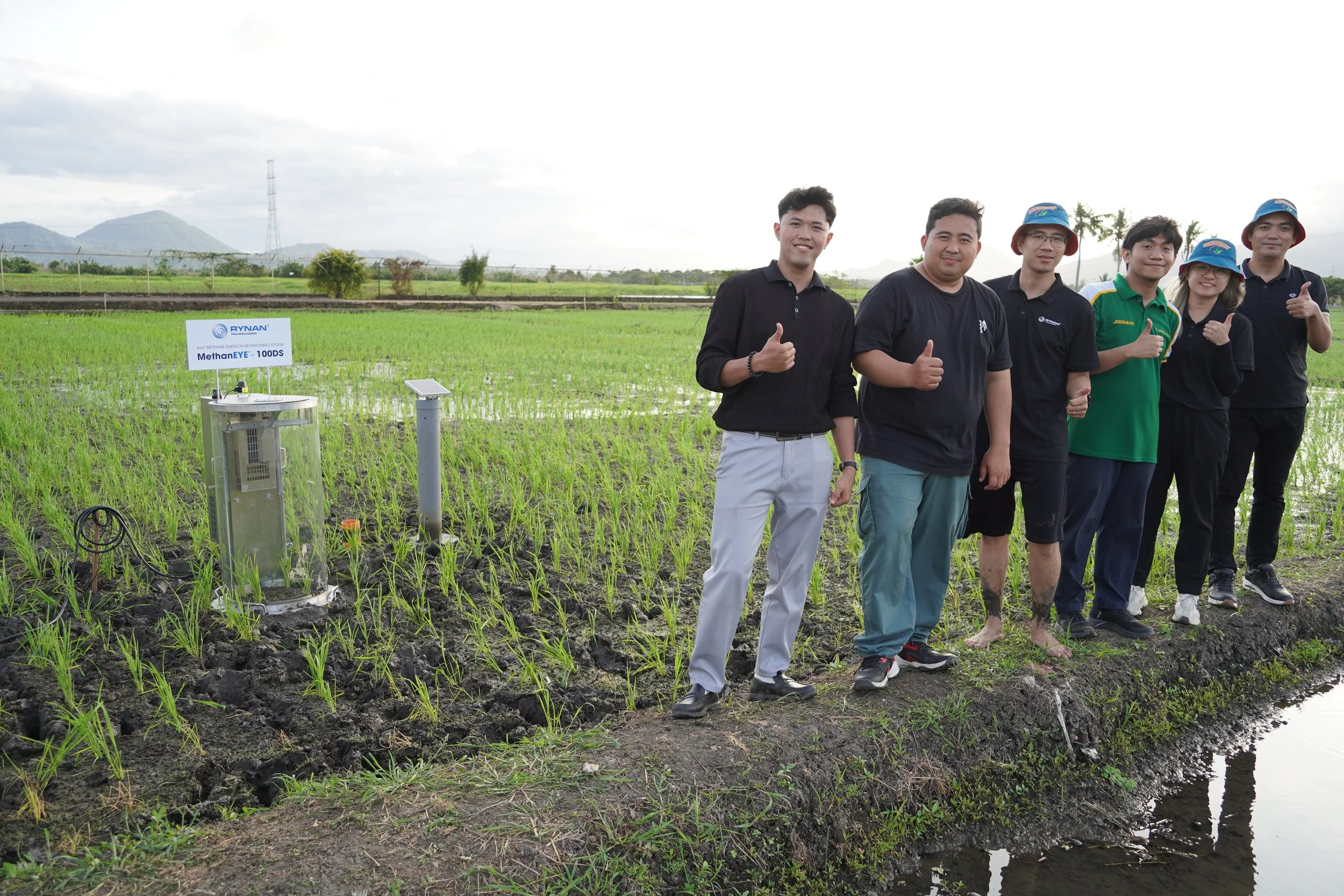
Through this collaboration, LEADS Agriculture Philippines and RYNAN Smart Agriculture are bringing measurement directly into the field, turning water levels and methane emissions into actionable data for more informed rice cultivation.
Reach out to us here to learn more how smart monitoring works in your fields.