
Case Study: After Losing 10–12 Tonnes of Rice, Wasan Milling Company Changed How It Monitors Pests
What can happen when a rice pest outbreak develops over a single weekend?
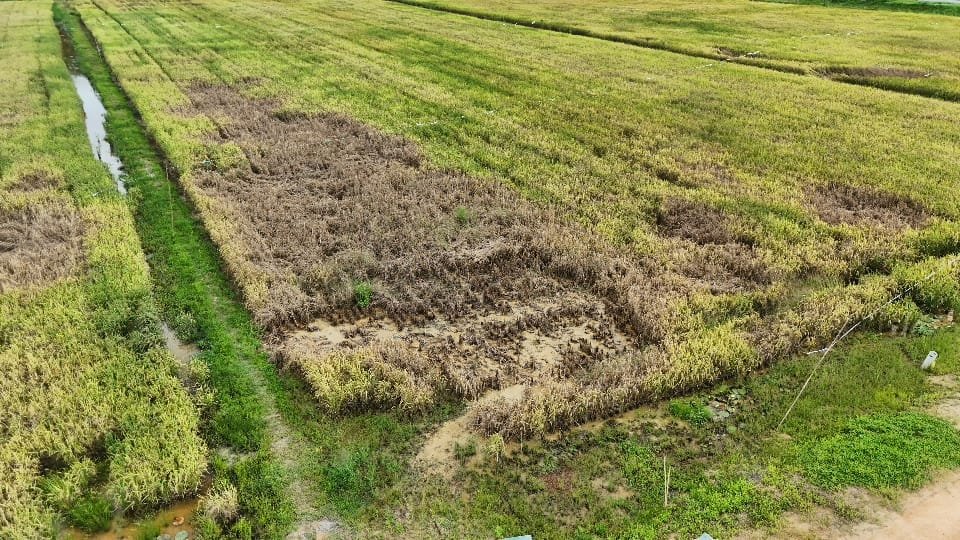
For Wasan Milling Company (WMC) in Brunei, the answer was a loss of 10–12 tonnes of yield. A brown planthopper outbreak went undetected while the fields were unsupervised over the weekend. By the time the team returned, the damage had already been done.
The incident exposed a limitation of manual pest monitoring: it only works when someone is physically in the field at the right time. Insect populations do not follow working hours. Conditions can change quickly, and even a short gap in monitoring can allow a serious infestation to spread before the farm team has an opportunity to respond.
This experience became an important driver in WMC’s transition towards AI pest monitoring with the RYNAN Insect Monitoring System.
The limitations of manual pest monitoring across large rice fields
Before adopting automated monitoring, WMC relied on their agronomist and farming team to inspect crop health and estimate insect density manually. Monitoring a 20-hectare paddy area could require as many as six people.
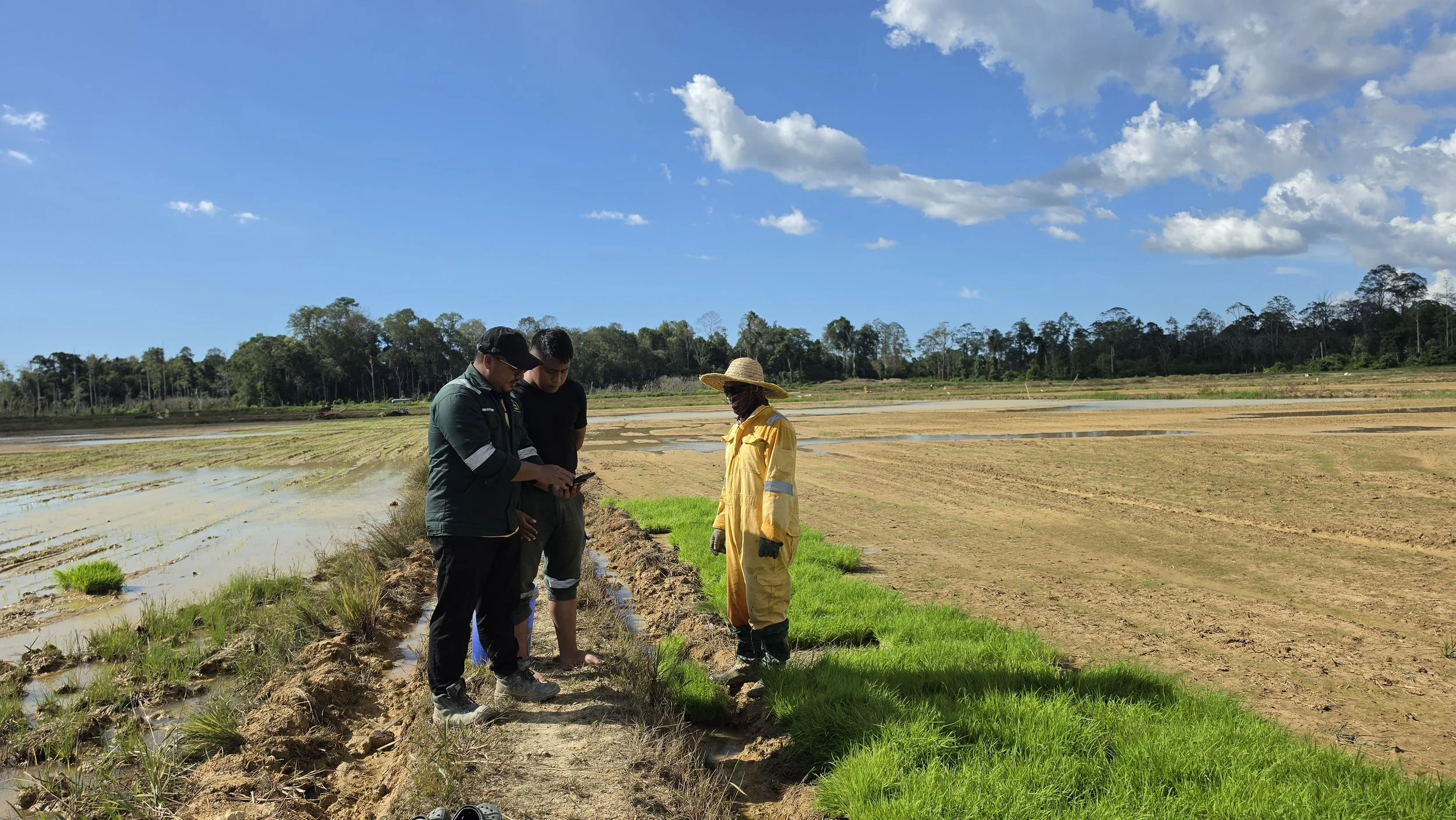
This approach demanded significant time and manpower, yet still provided only a snapshot of field conditions at the time of inspection. It also created several practical limitations:
Fields could not be continuously supervised.
Insect counts depended on when and where personnel conducted inspections.
Early changes in pest populations could be missed between field visits.
Decisions on pesticide application had to be made with limited trend data.
Weekends, holidays or competing operational priorities could create monitoring gaps.
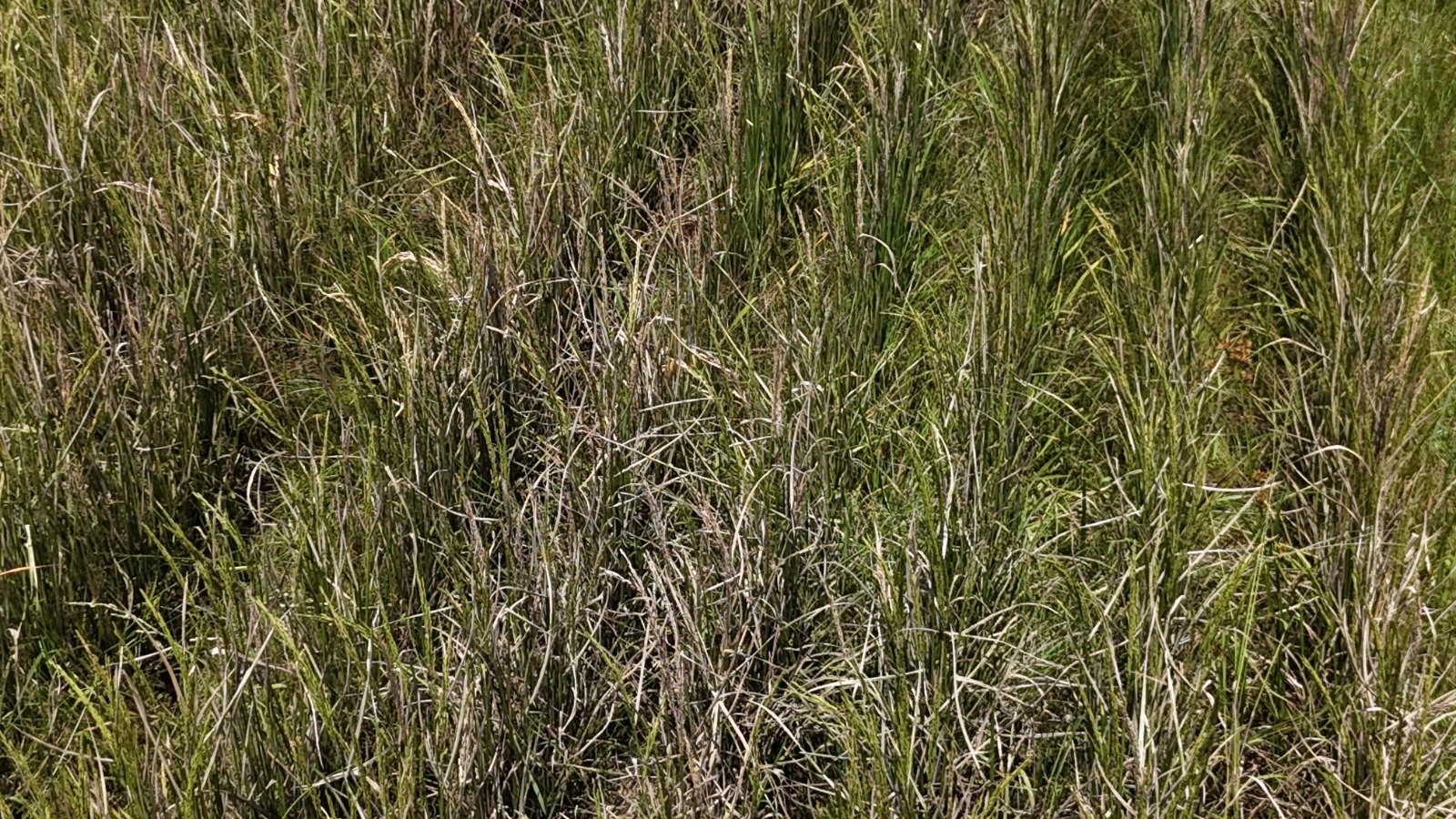
The 10–12-tonne loss demonstrated the commercial impact of those gaps. Brown planthoppers can damage rice plants by feeding on their sap. When an infestation becomes severe, affected areas may develop hopper burn, resulting in extensive crop damage and substantial yield loss.
For WMC, the issue was therefore not simply the amount of labour required for field scouting. It was the difficulty of obtaining consistent and timely information across a large cultivation area.
Moving from periodic inspections to AI-supported pest monitoring
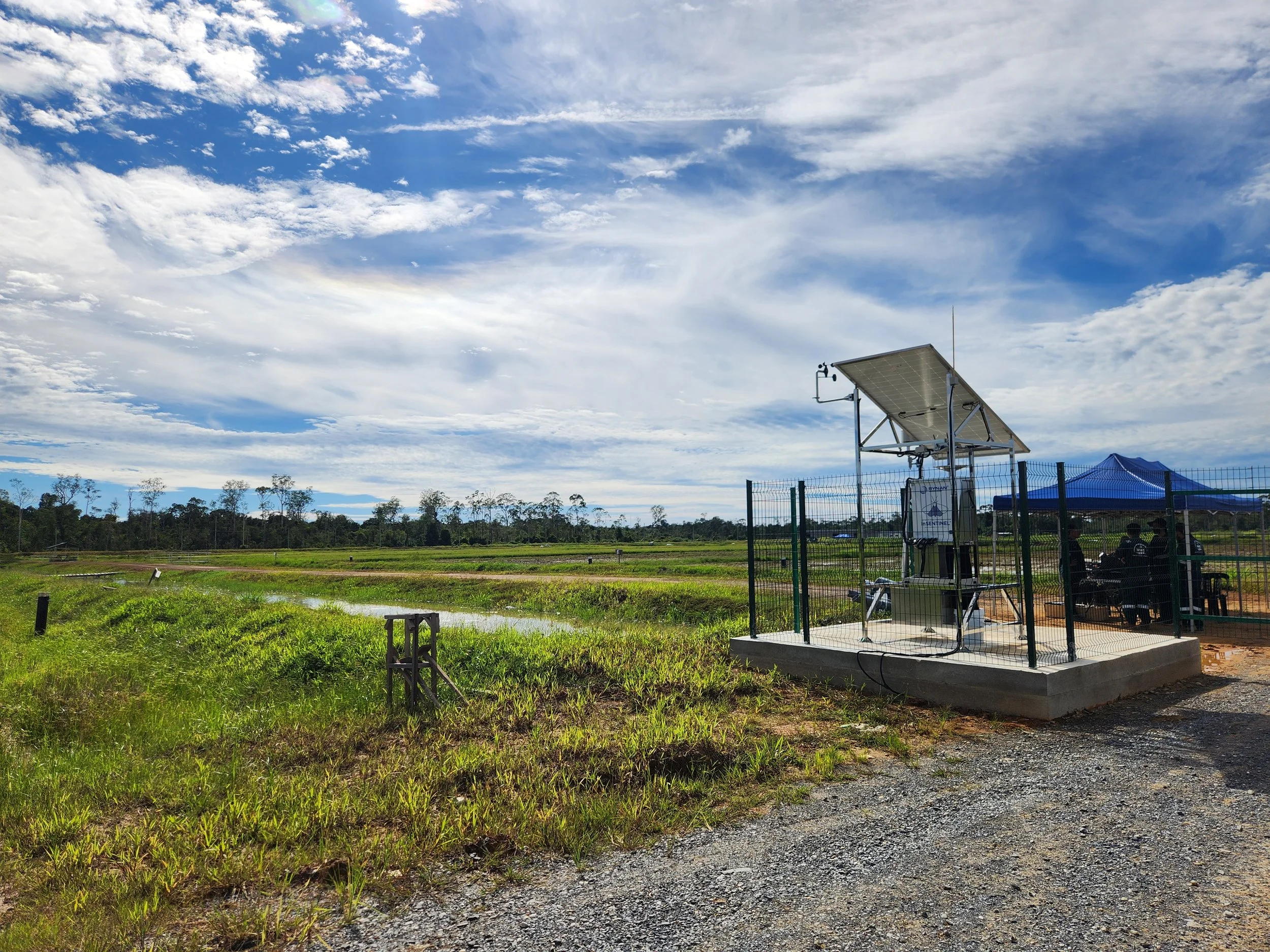
To strengthen its monitoring capabilities, WMC piloted the RYNAN Insect Monitoring System from July to October 2025.
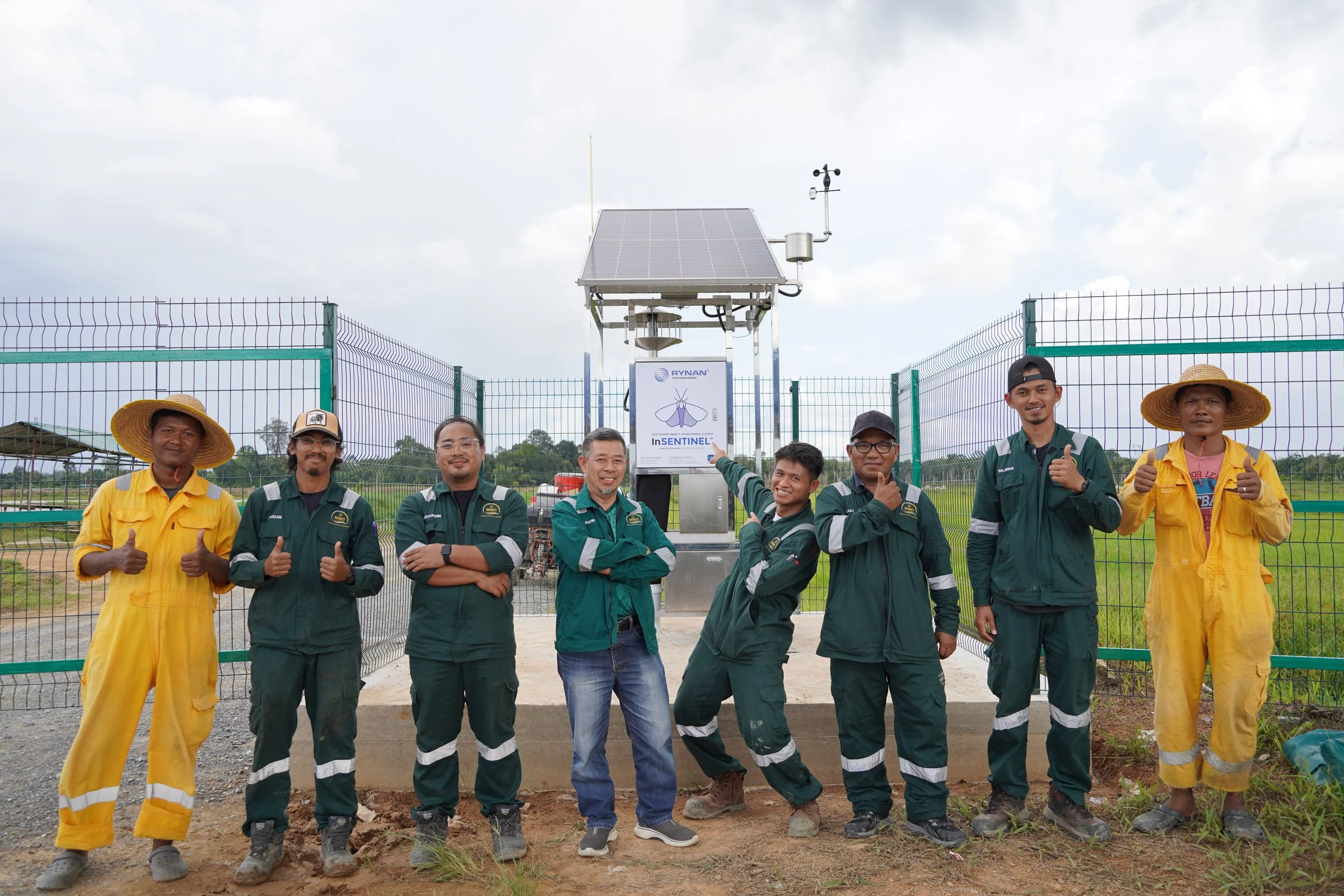
The pilot compared two 20-hectare paddy areas: a control area using the existing approach and an area supported by the Insect Monitoring System. One system was positioned among several one-hectare plots, providing an approximate circular monitoring coverage of 10 hectares.
Instead of depending entirely on personnel to find, count and identify insects in the field, the system automates key parts of the monitoring process. It attracts insects, captures images and applies AI-based classification to help identify target species. The collected data is uploaded to the cloud, analysed and presented through ready-to-use charts, giving the farm team a clearer and more consistent view of insect activity and population trends.
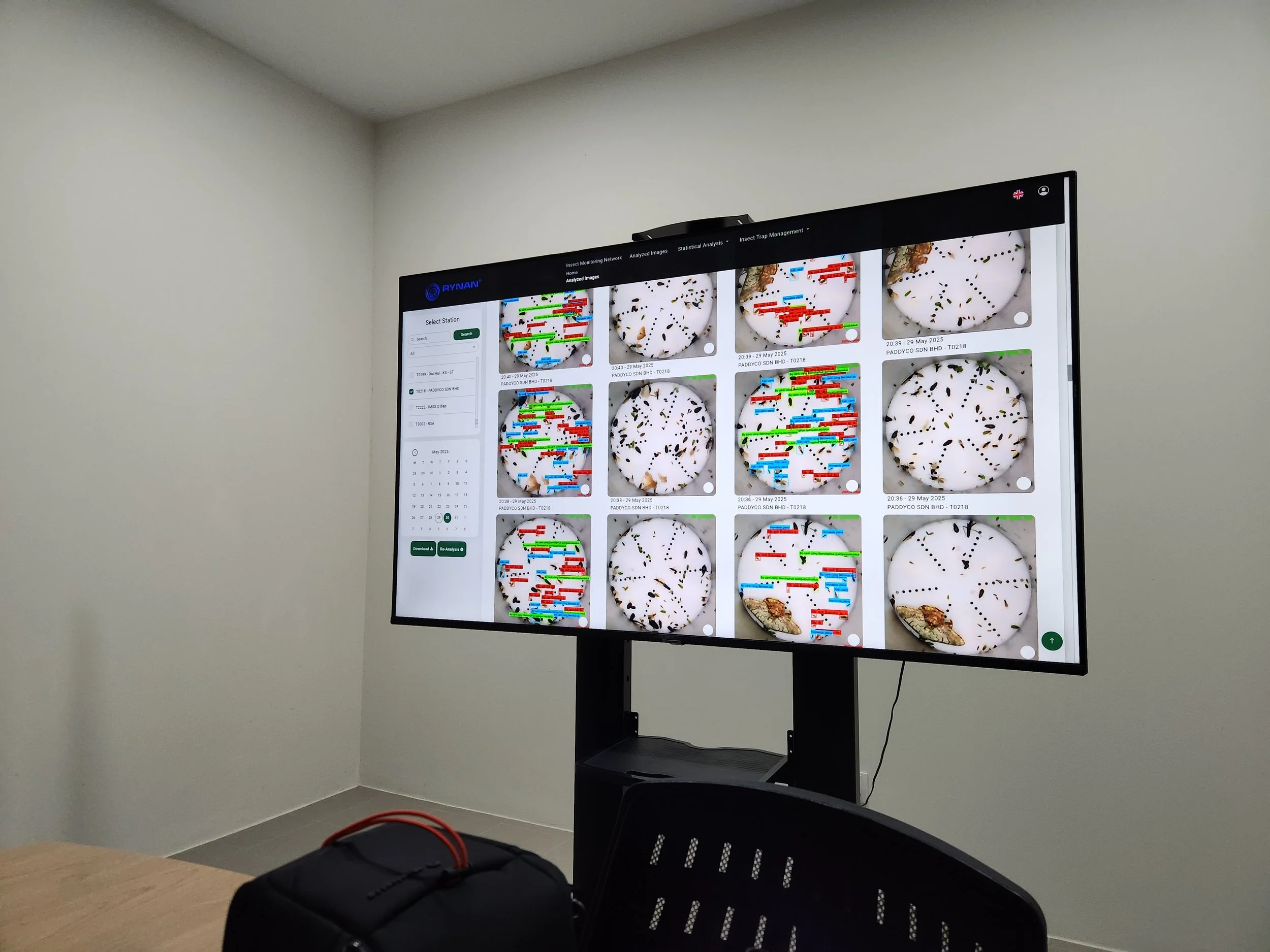
This changes the role of field personnel. Manual observation remains important for validating field conditions and deciding how to respond, but staff no longer need to depend solely on isolated inspections. AI pest monitoring provides another layer of information that can help the team identify developing risks earlier and focus its field checks where attention is most needed.
Turning pest data into more targeted field decisions
The value of automated insect monitoring is not simply that it collects more data. The operational benefit comes from using that data to make better-timed decisions.
With greater visibility of pest activity, farm teams can:
Track changes in insect populations over time.
Identify when a target pest begins appearing in higher numbers.
Compare pest trends with crop and weather conditions.
Prioritise field inspections in higher-risk areas.
Make more informed decisions about whether and when treatment is necessary.
For a pest such as the brown planthopper, earlier visibility matters. Once severe hopper burn is visible across the crop, the opportunity for effective intervention may already have narrowed. Monitoring population trends can support action before damage reaches that stage.
AI does not replace the agronomic judgment of WMC’s team. It strengthens that judgment by providing more regular, structured field information.
What changed during WMC’s pilot?
The difference between the two trial areas was significant.
The traditionally monitored area experienced extensive hopper burn and recovered minimal or close to zero yield. In comparison, the area supported by the Insect Monitoring System recovered almost 75% of its total yield.
WMC also reported a reduction of approximately 25% in pesticide use. The estimated number of pesticide applications fell from around 12 per season to between five and six.
These outcomes show why better pest visibility can support both production and input-management objectives. When farmers lack timely information, they may either respond too late or spray as a precaution. More consistent monitoring helps create the basis for treatments that are better aligned with actual field conditions.
The pilot results provided WMC with sufficient operational value to move beyond the initial test.
From pilot project to wider implementation
Following the 2025 pilot, WMC expanded its use of the technology by adding two more RYNAN Insect Monitoring Systems in 2026.
The expansion reflects a shift in how pest risk is managed. Instead of treating pest monitoring as a periodic manual activity, WMC is building a more continuous, data-supported process.
This transition has broader relevance for rice producers facing similar challenges. Large cultivation areas, limited manpower and rapidly changing pest conditions make it difficult to maintain complete visibility through manual scouting alone. AI pest monitoring can help close that information gap, while field teams retain responsibility for verification and intervention.
A more resilient approach to rice pest management
WMC’s experience began with a costly lesson: a brown planthopper outbreak did not need weeks to create serious consequences. One unsupervised weekend was enough to contribute to a confirmed loss of 10–12 tonnes of yield.
Its subsequent transition from manual monitoring to AI-supported monitoring shows how rice producers can respond to that risk. The aim is not technology for its own sake. It is to give farm teams earlier and more consistent visibility, so that they can assess threats and act before pest damage becomes irreversible.
For WMC, the move towards AI pest monitoring has reduced its reliance on labour-intensive inspections, supported more targeted pesticide decisions and strengthened its ability to protect yield. As the company expands the system beyond its original pilot, the project offers a practical example of how data can support more responsive rice production in Brunei.
Explore AI pest monitoring for rice production
RYNAN’s Insect Monitoring System combines automated insect capture, imaging and AI-based identification to help agricultural teams monitor pest populations and make more informed field decisions.
To learn how the system could support your farm, research programme or agricultural operation, contact RYNAN Smart Agriculture.