
The expansion of the RYNAN Insect Monitoring System across the region of Dong Thap Province in the Mekong Delta.
This project in the Dong Thap province is one of RYNAN Agriculture’s most significant projects to date.
It not only successfully showed the high effectiveness of our RYNAN Insect Monitoring System in helping farmers reduce unnecessary pesticide costs and usage, but also showed how private and public entities can work together to support our smaller farmers, who are highly valuable in supporting our food system.
With strong support from the Environment and Agriculture Department under the local government in Dong Thap Province, RYNAN Agriculture was able to reach out to various small farmers in the region and encourage them to adopt the RYNAN Insect Monitoring System.
Farmers needed a solution to tackle Brown Planthoppers in their rice fields
Many farmers were facing agricultural pest issues in their rice plantations, particularly the Brown Planthopper, which caused hopper burns on their rice plants. The damage from the hopper burns is often extensive, and this affects their ability to harvest, consume, and sell their production. Excessive pesticides usage was not a viable solution in the long run as pesticides costs increase and the natural ecosystem weaken with more rampant usage. This prompted the need for solutions that instead can help farmers make accurate predictions of incoming pest outbreaks and take preemptive measures.
RYNAN Agriculture had a solution that is able to do so, and it is the RYNAN Insect Monitoring System. In this hardware and software system, the population count of insects in the crop fields can be accurately measured in real-time and the changes in the populations are displayed in a digital platform for users to keep track of. One of the key aims of our integrated pest management solution was to control pest levels, but with the use of fewer chemicals. The accurate tracking of the insects is one effective way to manage the use of pesticides precisely.
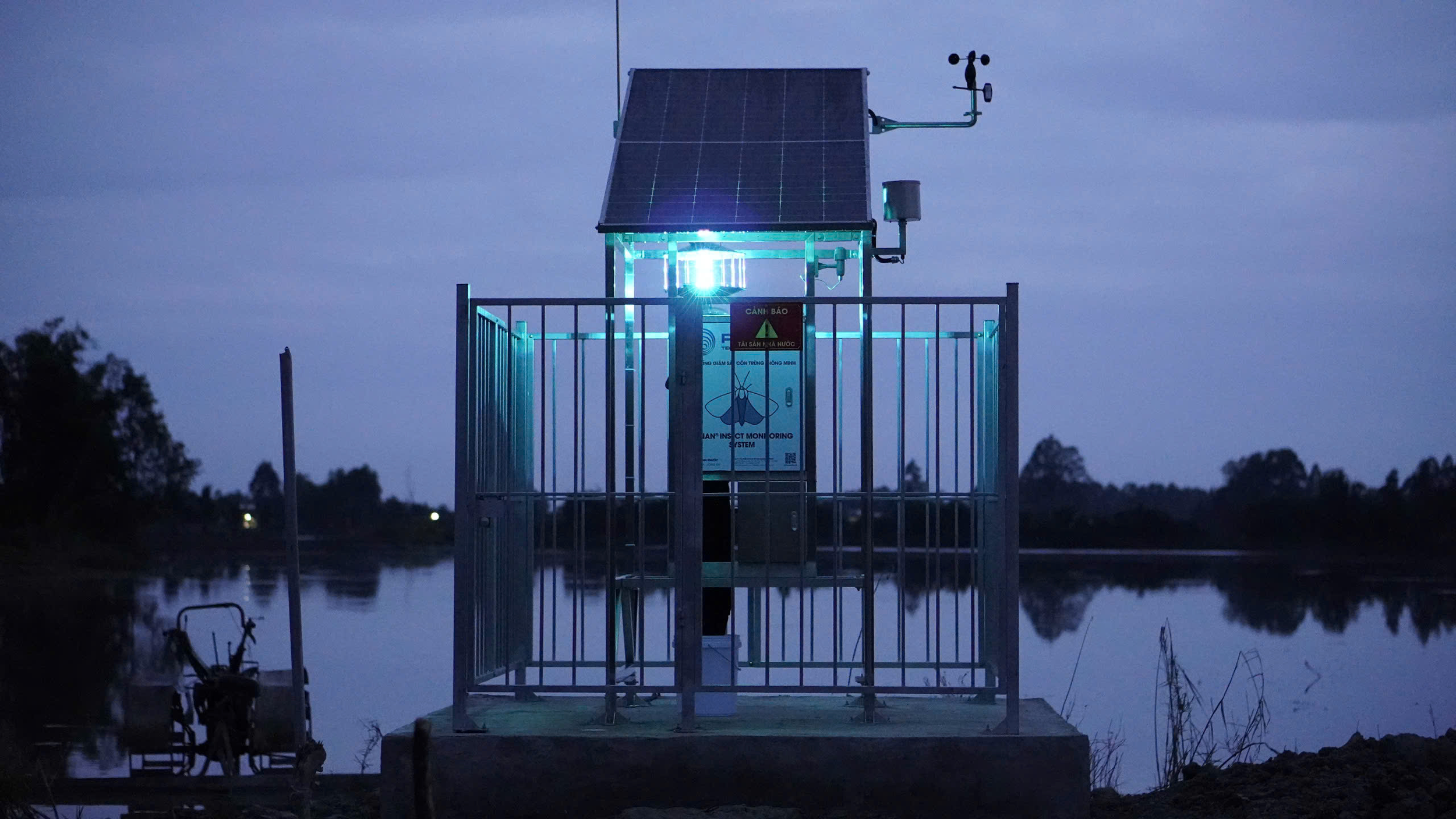
Fig 1. RYNAN’s Insect Monitoring System at night
First, RYNAN Agriculture did some background research on the key insects that the farmers wanted to track. They were, namely, the Brown Planthopper (Nilaparvata lugens) and the Mirid Bug (Cyrtorhinus lividipennis Reuter). In the natural ecosystem, the Mirid Bugs prey on the eggs and young nymphs of the planthoppers, preventing the Brown Planthopper population from growing too large. Thus, leveraging on this natural control, the goal in this project was to increase the Mirid Bug population in the rice fields to manage the burn caused by the Brown Planthoppers.
Through image recognition models and the numerous data collected about the Brown Planthopper and Mirid Bug, the RYNAN Insect Monitoring System was trained to be able to recognise both insect species with high accuracy. This prepared the RYNAN Insect Monitoring System to be ready to be used in the rice fields for the detection of these important insect species.
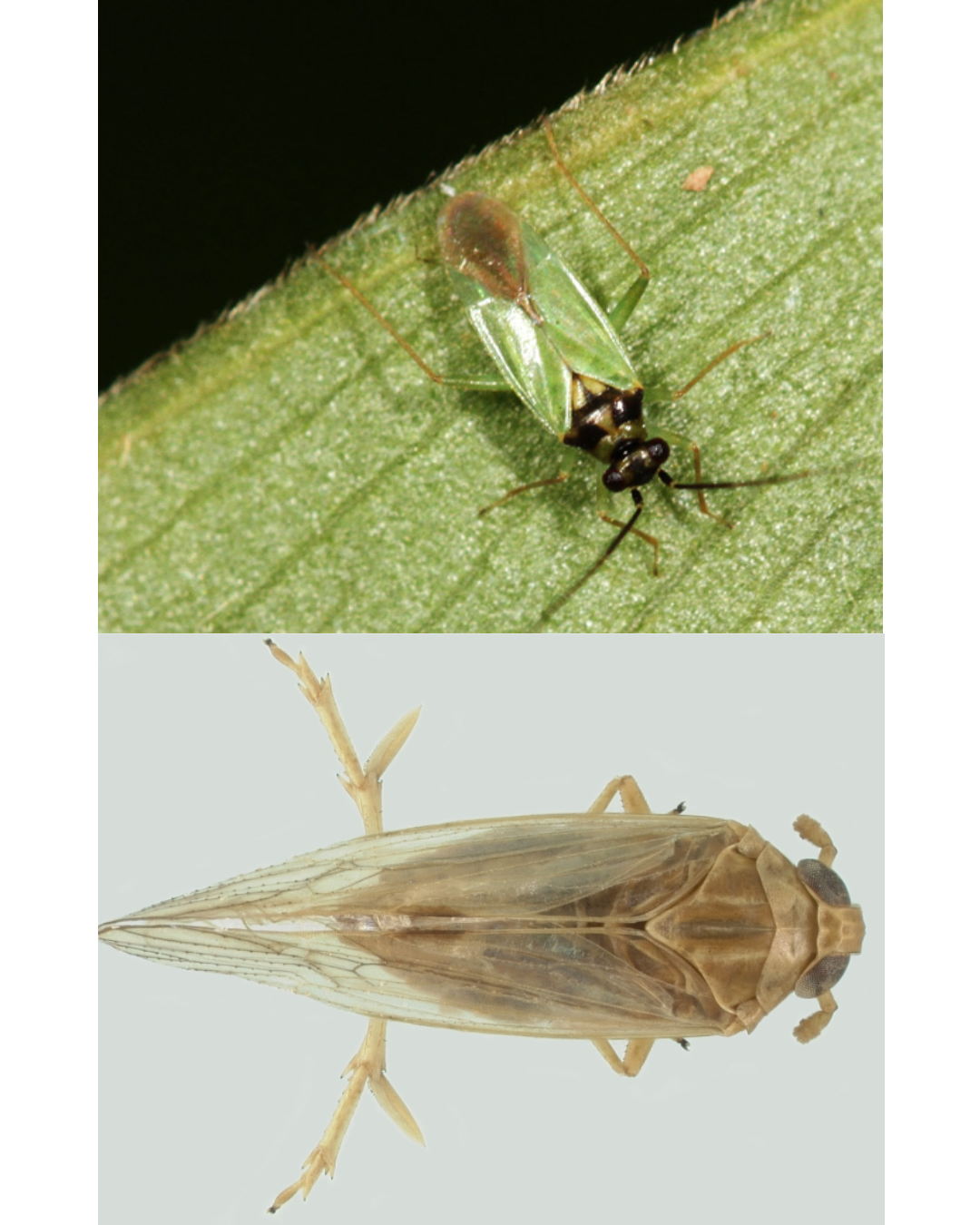
Fig 2. Images of Mirid Bug (top) and Brown Planthopper (bottom)
Deploying the RYNAN Insect Monitoring Systems in the communes
A total of 8 Insect Monitoring Systems were deployed in different communes in the region. Before the adoption, the farmers had no idea about the insect populations and integrated pest management solutions in their farms, and were indiscriminately spraying pesticides, damaging both the Mirid Bugs and their crops. When the systems were first deployed in 2021, they recorded the initial information about the changes in their populations of both these insect species. An average population ratio of 1.68 for the Brown Planthopper to the Mirid Bugs was observed. This indicated that the pest populations were overwhelming the predators, and this was a bad sign for their rice crops.
However, as the systems were able to provide information about the insect population changes, the farmers now had a better idea of the insect behavioural patterns in their rice fields as compared to before, without the Insect Monitoring Systems. This guided them to have a better understanding of how much they should actually spray and when they should spray pesticides instead of indiscriminate spraying. This was a critical move to guide them towards protecting their farms using a more ecological approach, where natural intervention was encouraged over harmful chemical interventions.
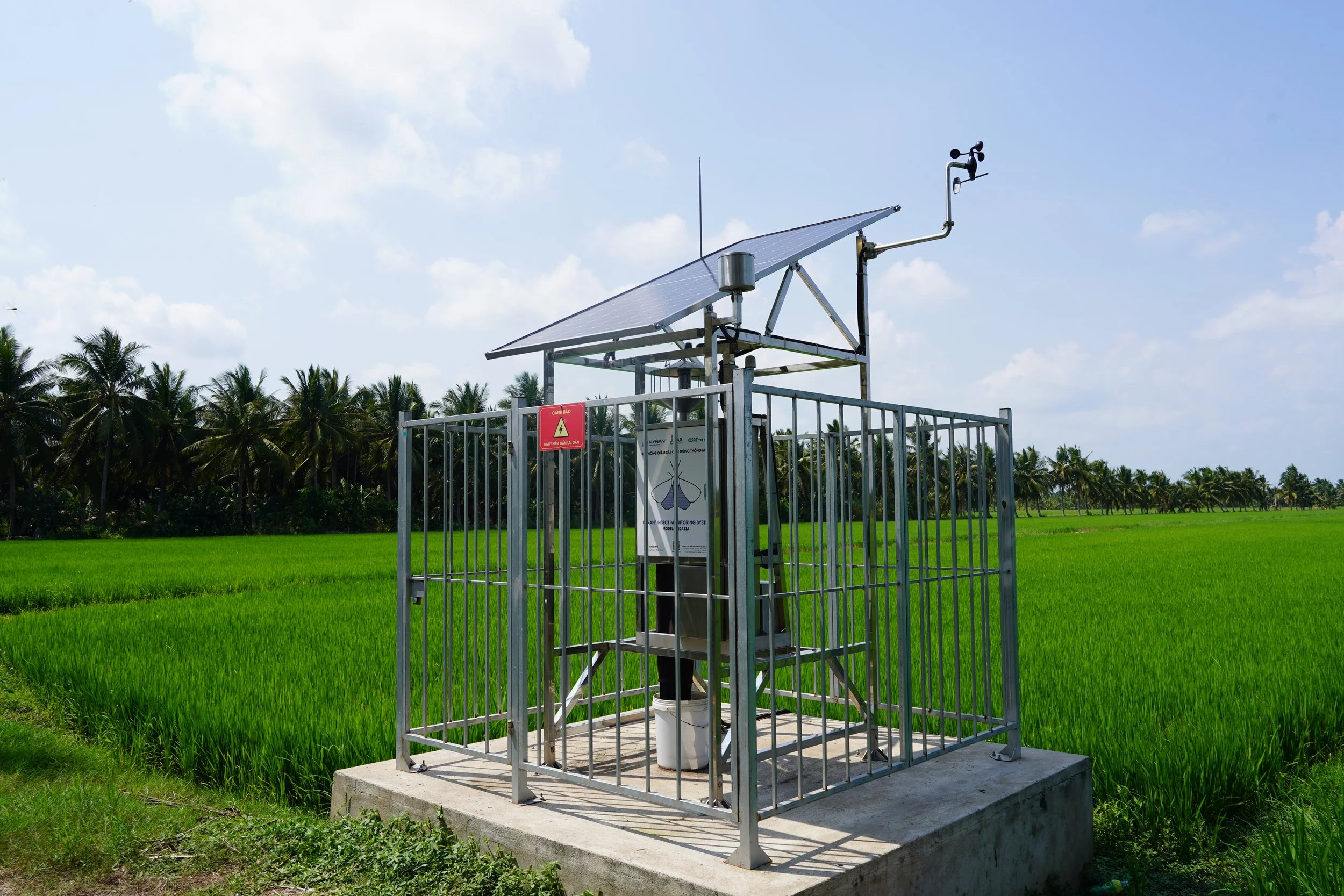
Fig 3. RYNAN’s Insect Monitoring System in a rice field in Dong Thap
After 2 years, the goal of increasing the population of Mirid Bugs against the population of the Brown Planthoppers was well met. With greater controlled pesticide sprays and stronger reliance on natural intervention, the ratio of the Brown Planthopper to the Mirid Bug eventually decreased to 0.72, showing a larger Mirid Bug population than the Brown Planthopper population. The targeted spraying was shown to be much more effective in controlling the pest population compared to the initial indiscriminate pesticide spraying.
The farmers remarked that they not only managed to decrease the extent of hopper burn from the planthoppers, but also managed to decrease the quantity of pesticides used by up to 30% in one of their communes. This was the outcome both the farmers and RYNAN Agriculture aimed to reach, and it was indeed well met.
This does not mean the end for the RYNAN Insect Monitoring Systems in the region. Tracking and monitoring the insect populations is not a short-term solution. It is a solution that works towards a long-term management of the farm using more ecological methods and reducing chemical dependence. The systems in the region are still actively used by the farmers to date, March 2026, and continue to see good yields in their farms. In fact, more systems have been placed in the region since then.
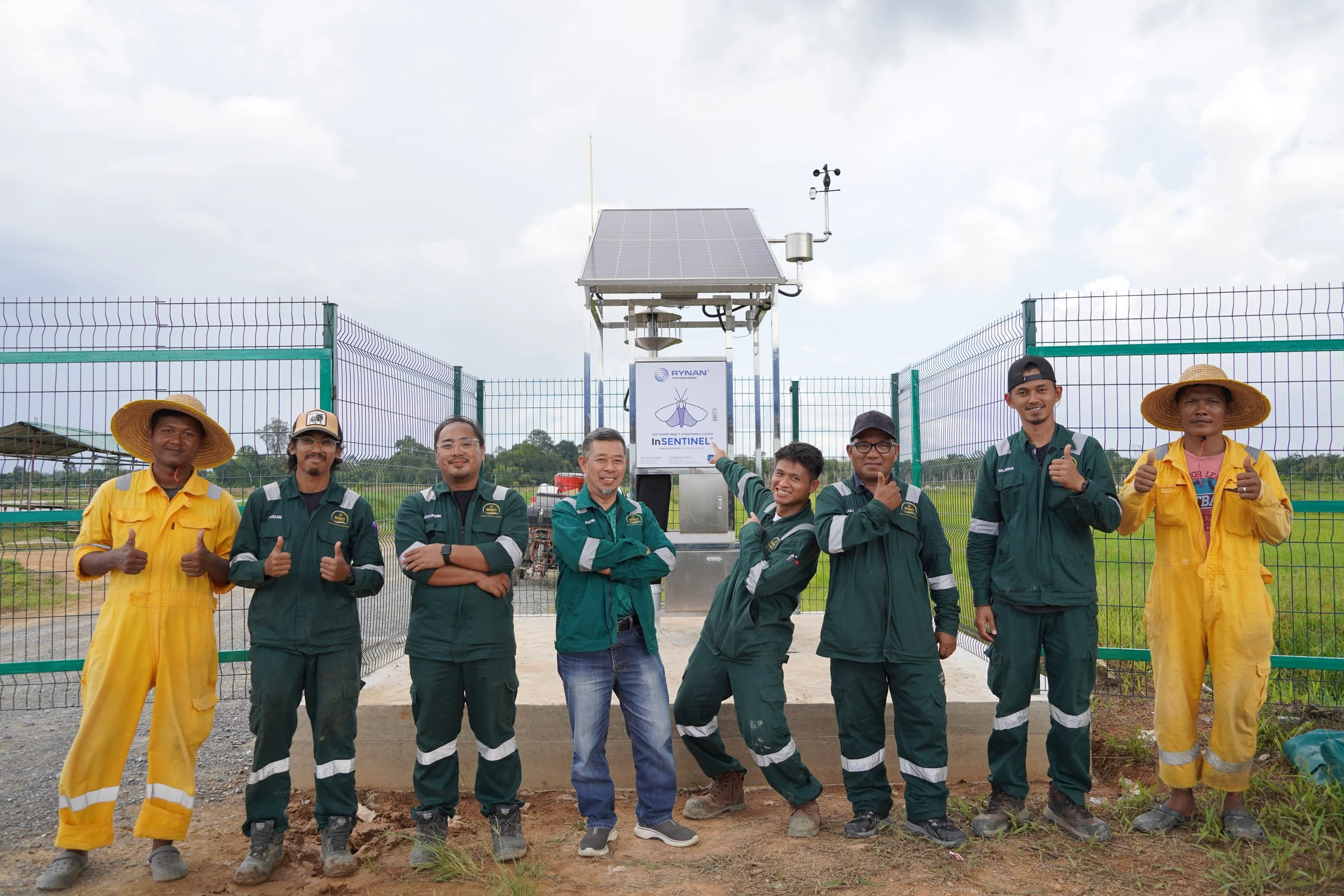
Fig 4. RYNAN’s Insect Monitoring System set up in Brunei
The RYNAN Insect Monitoring System has been deployed more actively in other countries, potentially seeing promising results in these projects. Our team loves hearing about how our products have made an impact on the farmers, on how they have made their lives easier on the farm, and how they have reduced their operating costs. Perhaps you might be the next one, and we would love for that to happen! Just a simple click on the link to our website at www.rynanagriculture.com or fill up a form here. It’s not that hard to do so.